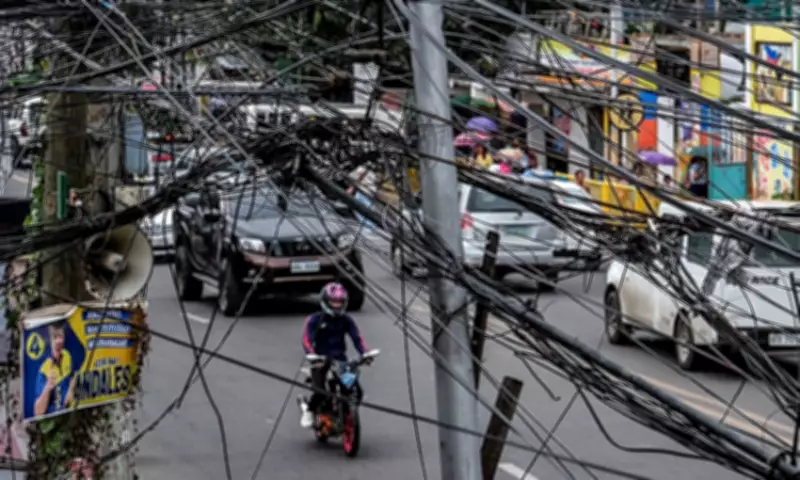
Cebu City is on the verge of a major infrastructure overhaul following the filing of a proposed Single-Pole Ordinance at the City Council. Authored by Councilor Alvin Arcilla, the measure aims to eliminate the tangled overhead wires and hazardous clusters of utility poles that have long plagued the city's streets.
Key Provisions of the Ordinance
The ordinance mandates that only one utility pole be allowed per location, with a minimum spacing of 30 meters between poles unless an exemption is granted. Existing clustered poles—those within five meters of each other—must be consolidated into a single dominant pole based on safety, elevation, and engineering standards. All wires and attachments from excess poles must be transferred, and redundant poles removed.
Designation of Primary Pole Authority
The Visayan Electric Company (VECO) will serve as the city's primary pole authority, responsible for maintaining and upgrading poles to support multiple utility attachments and overseeing the removal of dangling or hazardous wires. However, the ordinance ensures non-discriminatory access, requiring VECO to allow all utility and telecommunications companies to use dominant poles under fair and reasonable terms.

Safety and Compliance Measures
The proposal also targets 'dead wires'—unused or abandoned cables—which utility companies must remove. Firms must submit periodic clean-up plans prioritizing areas posing immediate danger. All aerial installations must maintain a vertical clearance of at least 18 feet and follow organized configurations to prevent entanglement.
Enforcement and Penalties
A technical infrastructure committee will be created to oversee enforcement, identify dominant poles, and coordinate with agencies to ensure clearances are maintained during roadworks. Utility companies have three years to comply, but hazardous installations must be corrected immediately. Violations incur a fine of P500 per pole per day after a three-day rectification period, along with possible permit suspension and administrative sanctions. The city may also pursue civil or criminal action if public safety is at risk.
Expected Impact
If enacted, the ordinance is expected to transform Cebu City's skyline by reducing visual clutter, improving infrastructure coordination, and addressing persistent safety risks tied to overhead utility systems. The move has been welcomed by residents and urban planners alike, who have long called for action against the city's notorious 'spaghetti wires.'