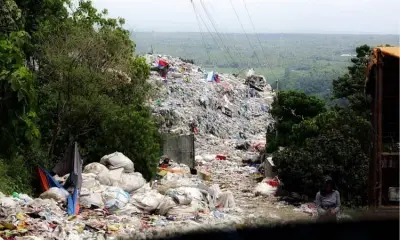
As an entrepreneur who has staked his livelihood on the heart of Cebu City, I look out my office window every day with a mix of deep pride and growing frustration. Cebu has always been the Queen City of the South — a place of incredible grit, hustle and culture. But lately, the crown is looking seriously tarnished. The sheer amount of garbage on our streets and in our waterways has hit a tipping point. It is no longer just an eyesore; it is actively hurting our bottom line and damaging the quality of life for everyone who lives here.
Step outside the manicured bubbles of Cebu Business Park or IT Park and the reality of our trash problem hits you immediately. Piles of uncollected garbage sit on corners for hours, baking in the heat. When the afternoon downpours hit, the situation turns into chaos. Our drainage lines, choked with single-use plastic and years of neglected silt, back up instantly. Within 20 minutes, my staff are wading through ankle-deep floodwaters just to get to the office and deliveries are paralyzed. This is not just a sanitation issue; it is a logistical nightmare that costs local businesses real money in lost productivity.
From a commercial standpoint, this neglect is killing our competitiveness. We spend so much effort pitching Cebu to foreign investors, BPO companies and tourists as a world-class hub. Yet, the moment they leave the airport, they are greeted by littered sidewalks and rivers like the Guadalupe, which looks more like an open sewer than a natural waterway. It is incredibly tough to sell a “premium destination” when the physical reality on the ground suggests we cannot even manage basic civic upkeep.

That said, I refuse to lay the blame entirely at the steps of City Hall. While we desperately need more reliable garbage collection and consistent enforcement of environmental laws, the root of the problem is also a cultural one. There is a pervasive attitude of indifference — a habit of tossing a plastic cup onto the pavement or dumping trash into a creek because we assume it is someone else’s job to clean it up. We have lost a sense of shared ownership over our public spaces.
If we want Cebu City to sustain its growth, this has to change from both sides. Business owners need to step up by managing their own waste better and supporting local cleanup efforts, while the City needs to actually penalize polluters instead of running short-lived discipline campaigns. We have everything it takes to be a clean, thriving metropolis. We just need to realize that basic cleanliness is not a luxury — it is the very foundation of a functioning economy.