Fuel Crisis and Logistics Inefficiency Drive Up Consumer Prices in Cebu
The escalating cost of fuel and underutilized delivery trucks are significantly inflating prices for food and retail goods throughout Cebu, posing a severe threat to household budgets and hindering the region's economic recovery efforts. This local predicament is exacerbated by volatile global oil markets, largely influenced by ongoing conflicts in the Middle East, which have exposed critical weaknesses in Cebu's logistics infrastructure.
The Burden of Inefficiency
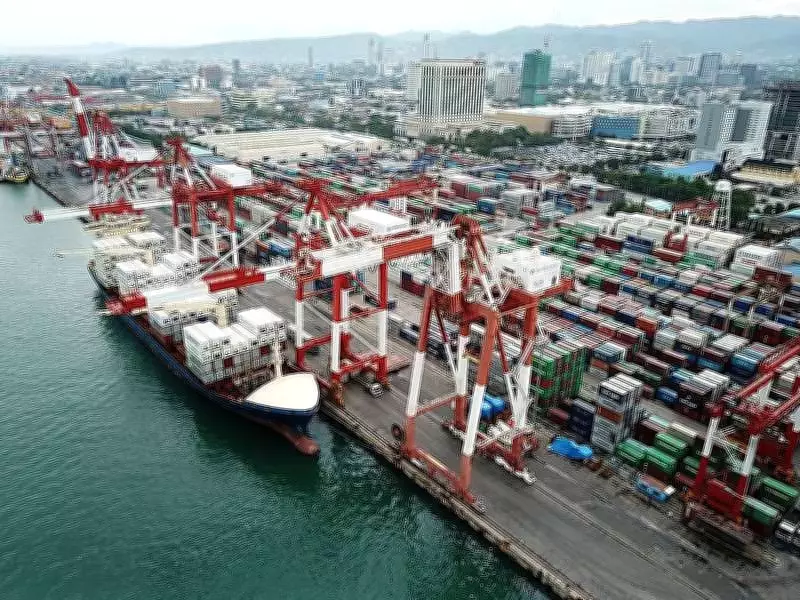
As an island economy, Cebu relies heavily on maritime transport for goods, with trucks handling distribution on land. Fuel expenses now constitute up to 60 percent of total shipping costs, directly impacting consumers. To mitigate financial losses, shipping companies have adopted "slow steaming," extending delivery times from two weeks to three. Concurrently, trucks operate at barely half capacity and idle with engines running at ports, wasting fuel and increasing operational expenses. These inefficiencies force retailers to allocate more funds to working capital, ultimately raising the prices of everyday items on store shelves.
Rene Ledesma, chairman of the Association of International Container Lines Port Operations Committee–Cebu, emphasized that rising costs are inevitably passed on to consumers. He highlighted local wasteful practices, such as trucks idling with engines on, which drivers often overlook because they do not bear the financial burden. Ledesma noted that while companies typically ignore these inefficiencies, the current fuel crisis is compelling them to reassess and adjust their operations.

Opportunities for Reform
Economist Ronilo Balbieran views this crisis as a pivotal moment to address systemic flaws in the logistics sector. He advocates for the adoption of co-loading, where multiple clients share a single truck to maximize the current 50 to 60 percent capacity utilization. Balbieran stressed that past resistance to collaboration must end, as rising fuel prices make shared logistics not just optional but necessary for survival. He explained that companies are now balancing margin protection with maintaining sales volume, and efficiency improvements could lead to lower distribution costs, thereby easing prices for basic commodities. Balbieran asserted that even amid volatile oil markets, a more efficient logistics system can mitigate cost pressures, marking a turning point for industry innovation and collaboration.
The Road Ahead
In response to the crisis, transport operators are exploring electric vehicles (EVs) to reduce fuel dependency, though high costs limit their use primarily to short-distance deliveries. Ledesma observed that while some operations have integrated EVs, conventional trucks remain dominant in Cebu. The speed at which the industry embraces shared trucking and green technologies will be crucial in determining future consumer prices. Industry observers are closely monitoring whether these temporary measures evolve into permanent policies, as the logistics sector navigates this challenging period of adaptation and reform.