Davao Businesses Sound Alarm Over Fuel Price Crisis Straining Economy
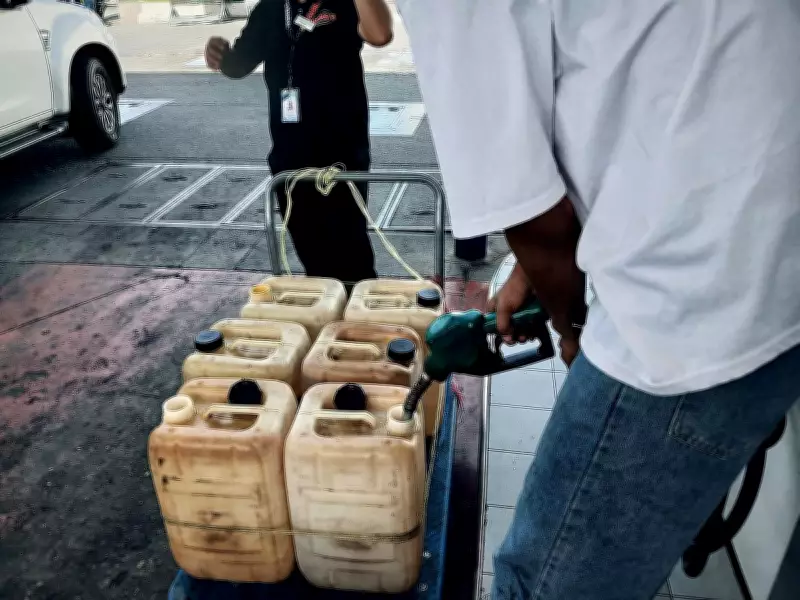
The Davao City Chamber of Commerce and Industry, Inc. (DCCCII) issued a stark warning on Monday, April 6, 2026, declaring that skyrocketing fuel prices are placing immense pressure on both local businesses and households. This alarming situation is directly linked to global oil supply disruptions that are now cascading through the regional economy, creating a perfect storm of financial challenges.
Operating Expenses Soar as Fuel Costs Spike Dramatically
In an official statement, the chamber detailed how volatile fuel expenses have driven operating costs significantly higher in recent weeks. A comprehensive survey of DCCCII members revealed a troubling statistic: nearly one-third of businesses are already experiencing a high-impact effect. For these enterprises, costs have escalated by more than 20 percent, with some firms reporting increases as steep as 40 percent.
"While the government has taken measures to ease the impact, alarmingly, the prevailing outlook among respondents points to continued price increases on the ground despite government restrictions, prolonged volatility, and a potentially severe economic slowdown if immediate interventions are not undertaken," the chamber emphasized in its report.

Record-Breaking Price Hikes Documented in Davao City
Recent data vividly illustrates the severity of the price surge in Davao City. By the third week of March 2026, pump prices had reached unprecedented levels:
- Gasoline: approximately ₱91.69 per liter
- Diesel: ₱114.90 per liter
- Kerosene: ₱143.79 per liter
This followed one of the most substantial weekly price increases witnessed in recent years. Oil companies implemented staggered hikes ranging from ₱12.90 to ₱16.60 per liter for gasoline and up to ₱23.90 for diesel, placing extraordinary pressure on transport operators and family budgets alike.
To highlight the rapid escalation, earlier in March, fuel prices in parts of the city were recorded between ₱54 and ₱56 per liter, demonstrating how costs nearly doubled within a matter of weeks. Additional nationwide increases in late March, including ₱6.47 per liter for gasoline and ₱11.88 for diesel, signaled that the upward pressure on prices shows no signs of abating.
Global Geopolitical Tensions Trigger Local Economic Fallout
The root cause of this price surge is largely attributed to global supply disruptions connected to escalating tensions in the Middle East, particularly along critical oil transit routes like the Strait of Hormuz. The Philippines, which depends heavily on imported oil, remains exceptionally vulnerable to these international price fluctuations.
Authorities have reported declining national fuel reserves alongside rising global costs, prompting the declaration of a national energy emergency in late March 2026. This precarious situation has triggered broader economic repercussions, including:
- Transport strikes disrupting daily commutes and logistics
- Slower business activity as companies cut back operations
- Higher electricity rates adding to consumer burdens
In Davao specifically, power costs also rose in March, compounding the financial strain on both consumers and enterprises. Transport groups have urgently called for government subsidies and tax relief, citing rapidly shrinking incomes and unsustainable operating expenses. Many drivers have been forced to reduce trips or adjust schedules in desperate attempts to conserve fuel.
Business Community Demands Immediate Government Intervention
The DCCCII has urgently appealed to government authorities to implement immediate relief measures. Their recommendations include:

- Temporary adjustments to fuel taxes to provide short-term relief
- Targeted subsidies for critical sectors including public transport, logistics, agriculture, and micro, small, and medium enterprises
- Formation of a local fuel and energy task force to monitor prices, ensure market transparency, and implement rapid-response measures during crises
For long-term stability, the chamber advocates for accelerated investments in alternative energy sources and fuel-efficient technologies. They also emphasize the need for improved logistics and traffic management systems, alongside stronger coordination between government agencies and private sector stakeholders.
Continued Volatility Expected Without Decisive Action
Despite occasional slowdowns in global oil price growth, market analysts anticipate continued volatility due to persistent geopolitical tensions and ongoing supply constraints. The chamber issued a sobering warning: without decisive and immediate government action, rising fuel costs could trigger a chain reaction of negative economic consequences.
These potential outcomes include:
- Increased prices for consumer goods as transportation costs rise
- Weakened competitiveness for Philippine businesses in international markets
- Significant slowing of overall economic growth
The DCCCII has affirmed its readiness to collaborate with government entities and industry partners to stabilize costs, protect livelihoods, and sustain vital economic activity throughout this challenging period. The chamber's urgent call to action underscores the critical need for comprehensive strategies addressing both immediate relief and long-term energy security.