Davao City Council Proposes Mandatory Herbicide Registration and Training for Farmers
The City Government of Davao is taking a significant step toward strengthening agricultural safety and environmental protection through a newly proposed ordinance. This measure aims to establish mandatory registration and comprehensive training for farmers who utilize glyphosate and other herbicides in their farming operations.
Councilor Abella Advocates for Clearer Regulation
Proponent Councilor Ralph O. Abella, serving as chairperson of the Committee on Agriculture and Food Security, delivered a privilege speech during the 5th Regular Session of the 21st City Council on February 3, 2026. He emphasized the urgent need for clearer regulation and stronger guidance regarding the use of agricultural chemicals, which are widely applied across farming activities in the region.
Abella clarified that the ordinance does not intend to prohibit herbicide use or impose unnecessary burdens on local farmers. Instead, it seeks to protect both agricultural workers and the general public by ensuring responsible practices. "I am not here to oppose this; I am not here to ban it; I am not here to burden our farmers. I am here because they use it every day without enough guidance, regulation, and protection," he stated during his address at the Sangguniang Panlungsod.

Key Provisions of the Proposed Ordinance
The ordinance outlines several critical requirements designed to enhance accountability and prevent misuse of herbicides:
- All dealers and distributors of glyphosate and similar herbicides must register annually with the City Agriculturist’s Office (CAO) and submit a valid Fertilizer and Pesticide Authority (FPA) license.
- Farmers and other users are required to complete a mandatory Safe Herbicide Use Orientation, with certification valid for two years, as a prerequisite for registration.
- The measure mandates proper labeling, warning signs, and the availability of safety data sheets to ensure users are adequately informed of potential hazards.
- Penalties will be imposed for violations of the rules governing sale, distribution, and application of these chemicals.
Balancing Productivity with Safety and Environmental Concerns
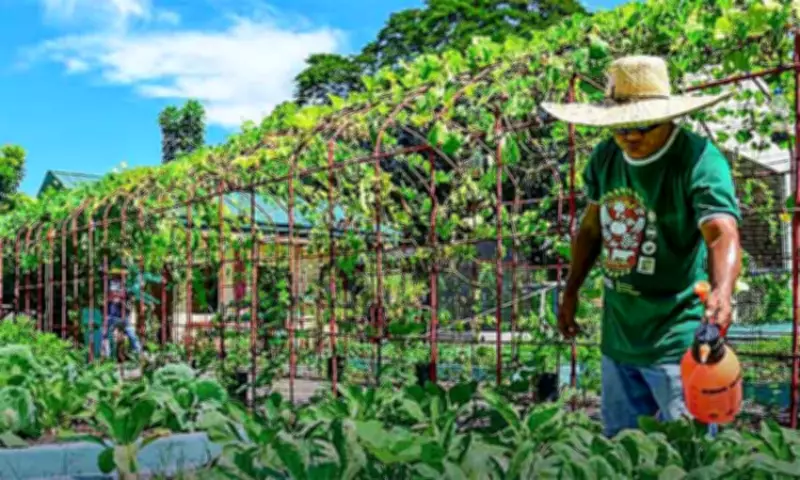
Glyphosate is a broad-spectrum herbicide commonly utilized for weed control in land preparation and crop maintenance. When applied according to proper guidelines, it can significantly improve farm efficiency and productivity. However, inappropriate handling or excessive application may pose serious risks to human health, nearby communities, water sources, and local ecosystems.
Councilor Abella highlighted that the lack of training and regulation can place farmers at greater risk, noting that many rely on these products daily without adequate protection or technical guidance. "When used correctly, it can help. But when misused, it can cause harm — not only to the land and water, but to children, families, and consumers," he added.
The proposed ordinance aims to strike a careful balance between sustaining agricultural productivity and ensuring public and environmental safety. It emphasizes that while herbicides remain essential tools in modern farming, their use carries a corresponding responsibility that must be managed through structured oversight and education.
Authorities stress that unregulated misuse or over-application of these chemicals could lead to health hazards, environmental contamination, and long-term soil degradation. By implementing this measure, Davao City hopes to foster more responsible agricultural practices that align with broader goals of food safety and environmental stewardship.
Following his privilege speech, Councilor Abella moved that it be considered as the first reading of the proposed ordinance, marking the initial step in the legislative process for this important initiative.