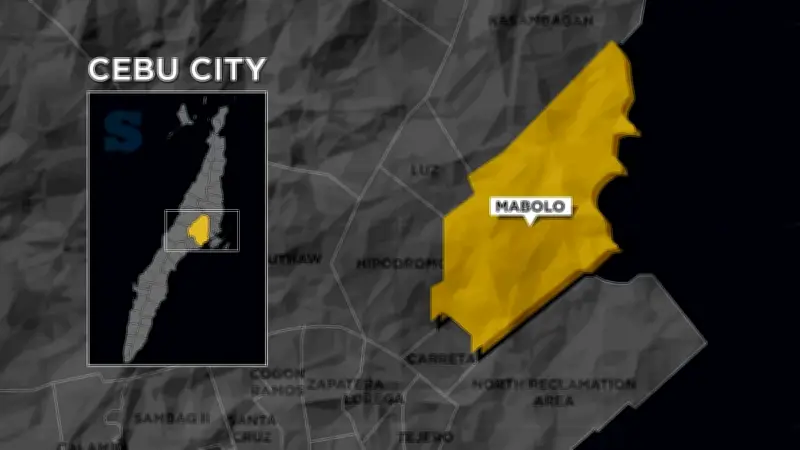
Barangay Captain Daniel Francis Arguedo of Mabolo has expressed support for a proposed P360-million waste and materials recovery facility in Cebu City's North Reclamation Area (NRA), but he is urging the city government to conduct public consultations before moving forward.
In an interview with SunStar Cebu on Tuesday, June 2, 2026, Arguedo said he remains open to projects that could help address Cebu City's worsening garbage problem, provided proper consultations are held and the health and safety of nearby residents are protected.
"Anything that will benefit the city or the barangay, why would we oppose it? But we need to be consulted first so we can also consult our constituents," Arguedo said.

Project Details
The proposed project involves the construction of a one-story waste and materials recovery facility that will house two advanced waste-processing machines intended to reduce Cebu City's dependence on landfills. The City Government plans to secure a P360-million loan from the Land Bank of the Philippines (LBP) to finance the project.
While acknowledging the facility's potential benefits, Arguedo said barangay officials have yet to receive detailed information about it.
"I am taking a wait-and-see position for now because it has not yet been implemented. Before applying for a loan, there should have been consultations with the barangay because what if residents object?" he said.
Community Engagement
Arguedo clarified that he is not yet calling the lack of consultation a lapse on the part of City Hall, but stressed that community engagement should be part of the process. "I will not immediately call it a lapse, but it is something that should be addressed," he added.
The barangay chief said residents' concerns would largely depend on the project's environmental and health implications. He recalled that the NRA had previously been the subject of complaints related to waste management operations. According to Arguedo, while the surface area of the former waste site has already been cleaned, composting-related activities previously generated foul odors that affected nearby communities.
Because of those past experiences, Arguedo said the barangay would need assurances that safeguards are in place before supporting any new waste-related facility.
"If all safety requirements are complied with and consultations are properly conducted, then there is no reason for us to oppose something that could help other barangays and the city. However, we also cannot allow the health of our residents to be compromised," he said.
Waste Segregation Initiatives
Arguedo also highlighted Mabolo's ongoing waste management initiatives, which focus on reducing the volume of garbage sent to landfills. The barangay has implemented segregation programs, composting systems and recycling initiatives that convert shredded plastic waste into materials used for sidewalk restoration projects.
According to Arguedo, the approach allows the barangay to reduce hauling expenses while addressing public safety and environmental concerns.
"Our policy direction is to contain our garbage within the barangay as much as possible and reduce dependence on landfills," he said.
The barangay also imposes penalties on residents who fail to comply with waste segregation rules, with fines starting at P500 for first-time violators.
Context of the Garbage Crisis
The proposed Mabolo waste facility surfaced amid Cebu City's ongoing solid waste crisis following the Jan. 8 trash-slide tragedy at the Prime Integrated Waste Solutions Inc. (PWS)-operated landfill in Barangay Binaliw, which killed 36 workers and one rescuer.