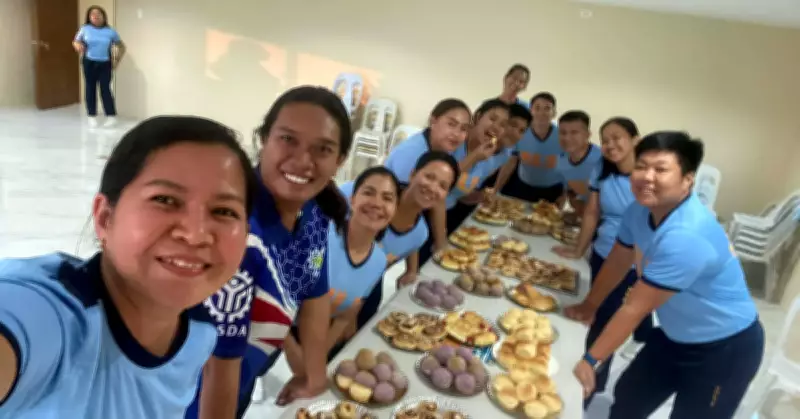
Mandaue City police officers are not only skilled in chasing criminals but also in kneading dough, as they undergo an 18-day livelihood training program on bread and pastry production. The initiative aims to equip them with practical skills that can be used both during service and as an additional source of income.
Training Program Details
Twenty-five personnel from the Mandaue City Police Office (MCPO) are currently participating in the 18-day Bread and Pastry Production training, where they learn to make bread, cakes, and pastries. On Tuesday, April 21, 2026, the third day of training, the officers made chocolate cake and butter cookies during a hands-on session held at the Opao Barangay Hall.
The initiative, supported by Congresswoman Emmarie “Lolypop” Ouano-Dizon, aims to provide police officers with livelihood skills to become more self-reliant.

Benefits for Police Personnel
According to Police Colonel Cirilo Acosta Jr., chief of police, this is the first livelihood project launched for MCPO personnel to help them acquire skills outside police work. The program can serve as an extra income source for officers while also saving expenses within each police station.
“One of our goals is that the snacks served in police stations and during conferences will be prepared by our own personnel to ensure cleanliness and quality,” the director added.
Community Impact
Beyond police welfare, Acosta expects trained personnel to share their knowledge with the communities they serve to improve livelihood opportunities. Graduates may also volunteer to prepare food for community outreach activities such as feeding programs in Mandaue City.
The training is conducted by TMJ Technology Skills Training Institute and Assessment Center Inc., under the supervision of trainer Luis Gerunda. Participants train for eight hours daily from April 14 to May 7.
After 114 hours of training, they will undergo an assessment. Those who pass will receive a National Certificate II (NCII) from the Technical Education and Skills Development Authority (TESDA).