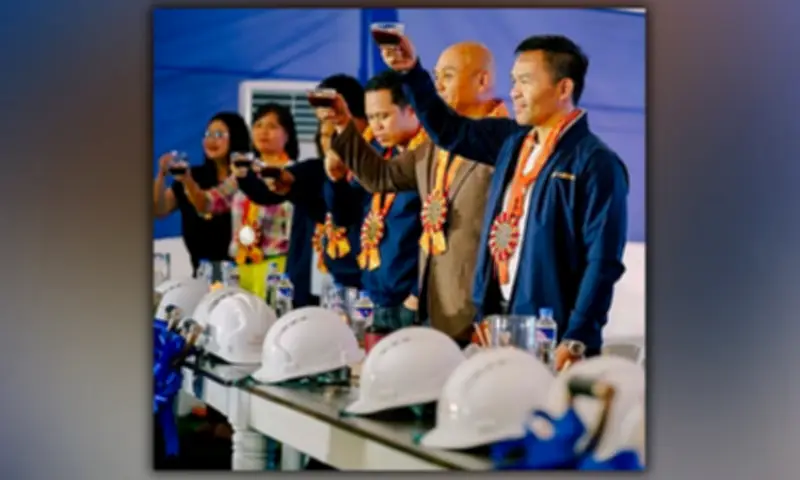
Boxing icon and entrepreneur Manny Pacquiao is investing P200 million to build MP Coffee's flagship store in Cebu, marking his first major investment in the province. The project aims to promote Philippine coffee, support local farmers, and address supply gaps in the domestic coffee industry.
Strategic Location and Personal Ties
The former senator said Cebu was chosen for its strategic location as a major tourism and business hub, as well as his personal ties to the province, particularly Pinamungajan, where his family roots can be traced. The company recently broke ground at the South Road Properties, describing the project as a coffee destination and the centerpiece of a broader expansion strategy covering coffee production, retail, education, tourism, and digital commerce.
Building a Coffee Ecosystem
Pacquiao's investment comes as the Philippines continues to rely heavily on imported coffee despite growing local demand. Industry stakeholders have cited declining farm productivity, aging coffee trees, climate-related challenges, limited financing, and land conversion as key constraints. Pacquiao said the project aims to build an integrated coffee ecosystem rather than simply operate a café. The 750-square-meter development will house a specialty coffee bar, restaurant, industrial roastery, coffee academy, merchandise center, and interactive exhibits showcasing Pacquiao's life and career.

Expansion Plans
The company also plans to roll out 'Manny Punch' retail kiosks in airports, ferry terminals, and tourism destinations nationwide, offering coffee products, signature blends, capsules, drip bags, ready-to-drink beverages, and branded merchandise. The project will be developed in phases, beginning with retail operations, packaged coffee distribution, reseller partnerships, and digital commerce before the full launch of the flagship destination.
Supporting Local Farmers
Pacquiao said MP Coffee intends to source beans from farming communities across the country to help revive the local coffee industry and create opportunities throughout the value chain. 'The Philippines used to be a leading producer of coffee,' Pacquiao said. 'We're going to go around the country and work with coffee farmers, helping give them a platform and support livelihoods.' The company plans to identify and promote heirloom coffee varieties while leveraging the Philippines' distinction as one of the few countries capable of producing all four commercially viable coffee species: Arabica, Robusta, Liberica, and Excelsa.
MP Coffee said the ecosystem will also include barista and coffee training programs, wholesale operations, tea and wellness products, coffee tourism experiences, and a technology-driven attraction called 'MP Interactive,' featuring immersive exhibits on Pacquiao's journey from poverty to global boxing champion. 'We are not entering as competition,' Pacquiao said. 'We are going to fortify the industry.'
Coffee Production Challenges
According to the Philippine Coffee Board Inc. (PCBI), the country's demand for coffee is between 150,000 metric tons (MT) to 200,000 MT, while production is only around 30,000 MT to 33,000 MT, with the balance of 120,000 MT filled by imports. The PCBI also noted that the national average coffee production is currently between 500 to 700 kilograms per hectare. Early this year, the Department of Agriculture created a new Coffee Industry Development Office to improve support for the country's coffee sector, as local demand continues to exceed supply.