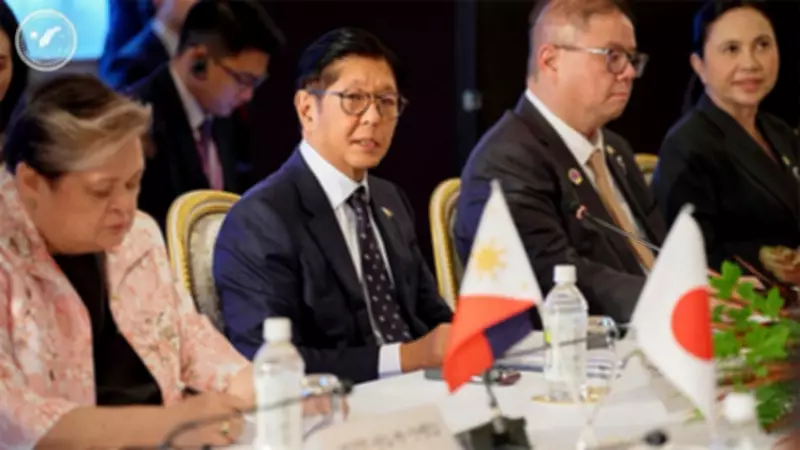
Japan and the Philippines are broadening their agricultural cooperation to enhance food security, boost exports, and introduce modern farming technologies. During President Ferdinand Marcos Jr.'s official visit to Tokyo, Agriculture Secretary Francisco Tiu Laurel Jr. held talks with Japanese officials on improving market access for Philippine farm and fisheries products, upgrading logistics systems, and expanding technology collaboration.
Key Developments in Agricultural Trade
One of the primary goals is to secure market access for Philippine pomelo in Japan before the end of 2026. Additionally, the Philippines plans to participate in a major horticulture expo in Japan next year to showcase local fruits, flowers, and ornamental plants. Secretary Laurel highlighted horticulture as a promising growth sector, citing rising global demand for high-value crops.
The government is also working to protect and expand banana exports to Japan, the country's largest market for this commodity. Philippine officials have requested lower tariffs on banana exports as the nation prepares for possible accession to the Comprehensive and Progressive Agreement for Trans-Pacific Partnership (CPTPP). Discussions also covered market access for pomelo and enhanced cooperation in fisheries, particularly the tuna industry, a long-time supplier to Japan.

Technology Transfer and Infrastructure Modernization
During the visit, the Philippine delegation toured Japanese agricultural facilities showcasing advanced post-harvest technologies and grain management systems. They inspected large-scale grain facilities with automated drying and dehusking equipment that process significant volumes with minimal labor. Secretary Laurel noted that similar technologies could modernize the National Food Authority's operations, especially in grain storage and processing.
One notable observation was Japan's ability to store rice for up to five years, compared to the Philippines' 30-day buffer stock. Laurel emphasized the potential benefits of improving food storage infrastructure to enhance national food security.
Agricultural technologies from Japan undergoing field trials in the Davao region since last year have shown encouraging results. The Department of Agriculture is now considering expanding these technologies to other major crops nationwide. Cooperation also extends to livestock and fisheries, where Japanese innovations could boost productivity and efficiency.
Investment and Future Collaboration
Meetings with Japanese investors underscored the importance of direct engagement to attract investments and accelerate agricultural projects. Secretary Laurel stressed that continued collaboration with Japan and other international partners is vital for transforming Philippine agriculture through innovation, investment, and improved food systems.
"The goal is to build a more resilient, productive, and technology-driven agriculture sector that can support long-term food security and create more opportunities for Filipino farmers and agribusinesses," Laurel said.