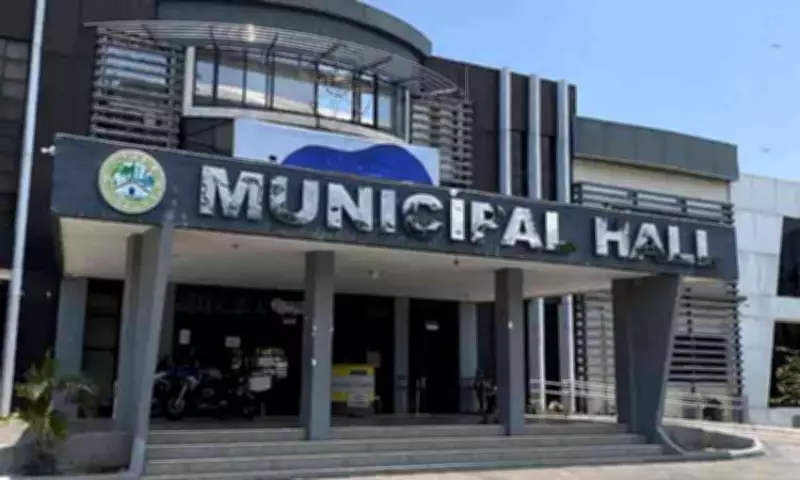
The Municipality of Santa Cruz in Davao del Sur has retained its position as the wealthiest municipality in the Davao Region, according to the Commission on Audit’s 2024 Annual Financial Report on Local Government Units. This recognition comes despite the town’s failed bid to become a city.
Santa Cruz posted total assets of ₱1.980 billion, leading the list of the region’s richest municipalities and underscoring its strong fiscal position and capacity for development. The report highlights the municipality’s accumulated government resources, including infrastructure, cash reserves, and other assets, which indicate its ability to fund programs and sustain economic growth.
Following Santa Cruz in the ranking is Carmen, Davao del Norte, with ₱1.973 billion in assets. Malita, Davao Occidental, secured the third spot with ₱1.933 billion. Monkayo, Davao de Oro, and Santo Tomas, Davao del Norte, completed the top five. The COA report also noted the growing financial strength of municipalities in Davao de Oro, with six towns making it to the top 15.

Cityhood bid stalled
For Santa Cruz, the recognition comes at a time when its cityhood bid remains stalled. Mayor Jose Nelson “Tata” Sala attributed the rejection of the municipality’s cityhood proposal to political factors rather than legal or procedural issues.
“The province acted on it outright. Our proposal was not ‘ultra vires.’ It was not even referred to a committee hearing. They immediately blocked it,” Sala said in a mix of English and Cebuano.
Sala emphasized that Santa Cruz has long exceeded the requirements for cityhood, particularly in income and land area. Under existing laws, a municipality must generate at least ₱100 million in locally sourced income to qualify for conversion into a city. According to Sala, Santa Cruz surpassed that threshold years ago, even before he became mayor.
“If you qualify in one aspect, then you qualify overall. First of all, we are already overqualified in terms of land area and income. When I was still a councilor, our local tax collection was only around ₱170 million. After one term, our income increased to ₱176 million, then ₱179 million in my second term. When I became mayor, it rose to ₱402 million. So we are already far beyond the ₱100 million requirement for cityhood,” he added.
Criticism of provincial government
In a special press conference with Davao-based media on April 16, Sala criticized the Davao del Sur provincial government for allegedly blocking the municipality’s cityhood push without proper deliberation. He said a resolution passed by the Sangguniang Bayan of Santa Cruz seeking provincial endorsement was rejected outright by the Sangguniang Panlalawigan without undergoing a committee hearing.
Sala argued that the municipal government was not allowed to present its position or clarify issues before the proposal was denied, raising concerns over transparency and due process. Despite the setback, the mayor said Santa Cruz would continue strengthening its economy and pursuing development initiatives regardless of its current classification.
He added that the municipality’s consistent financial growth and leading asset base demonstrate its readiness for cityhood even as its conversion bid remains unresolved.