Central Visayas remained the country's inflation hotspot in April 2026, posting a 10.8 percent rate—its ninth straight month as the highest nationwide—driven by sharp increases in food and transport costs that continue to strain households and businesses.
Data from the Philippine Statistics Authority (PSA) on Tuesday, May 5, 2026, showed that the region's inflation far exceeded the national average of 7.2 percent and the 7.7 percent recorded in areas outside the National Capital Region, highlighting persistent price pressures in provincial markets.
Food and transport lead price surges
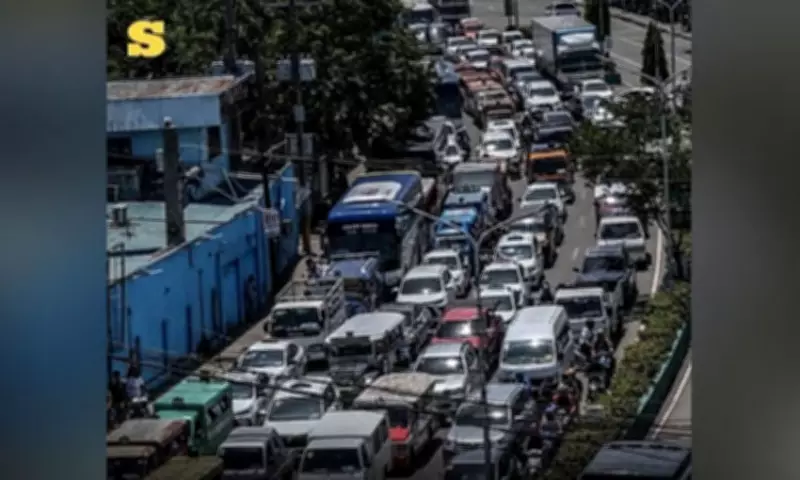
A breakdown of regional price movements showed food and non-alcoholic beverages as the main inflation driver, accelerating to 14.5 percent in April from 10.1 percent in March. Transport costs also surged to 22.5 percent from 8.2 percent, reflecting higher fuel and logistics expenses.

Housing, water, electricity, gas and other fuels likewise picked up to six percent from 4.2 percent, while restaurants and accommodation services rose to 10.5 percent from 9.7 percent, indicating sustained cost pressures in tourism-related sectors.
Other commodity groups posted more moderate increases. Furnishings and household maintenance edged up to 6.9 percent from 6.7 percent, while clothing and footwear rose slightly to 3.8 percent from 3.5 percent. Personal care and miscellaneous goods increased to 3.6 percent from 3.2 percent.
Some sectors ease
Meanwhile, some sectors showed easing price growth. Alcoholic beverages and tobacco slowed to 4.7 percent from 5.7 percent, while health dipped slightly to 3.3 percent from 3.4 percent. Education services remained steady at 2.6 percent, as did recreation and culture at four percent. Information and communication inched up to one percent from 0.9 percent.
National inflation picture
Nationally, inflation accelerated from 4.1 percent in March to 7.2 percent in April, driven largely by higher food, transport, and utility costs. The latest figure brings the year-to-date average inflation from January to April to 3.9 percent, significantly higher than the 1.4 percent recorded in April 2025.
National Statistician Undersecretary Claire Dennis Mapa said the 3.1 percent inflation increase from March to April 2026 is the highest since December 1993 to January 1994, wherein the month-on-month absolute increase was recorded at 5.4 percent.
The PSA reported that the primary driver of April's inflation was the faster increase in the heavily-weighted food and non-alcoholic beverages, which rose to six percent from 2.9 percent in March. This category alone accounted for 31.9 percent of the overall inflation, contributing 2.3 percentage points.
Transport costs also surged to 21.4 percent from 9.9 percent the previous month while housing, water, electricity, gas, and other fuels accelerated to 8.2 percent from 4.7 percent. Combined, these three sectors made up more than 80 percent of the inflation rate.
Food inflation alone rose to 6.1 percent, with rice prices jumping 13.7 percent year-on-year. In a statement, the Department of Economy, Planning, and Development attributed the significant increase in the country's inflation rate to the continued impact of the prolonged Middle East conflict, which disrupts fuel supply chain.
BSP seen to hike policy rate
According to BPI lead economist Emilio Neri Jr., the April inflation “shock” has increased the likelihood of off-cycle and potentially larger rate hikes by the Bangko Sentral ng Pilipinas (BSP) to anchor inflation expectations and support the peso. BSP raised its benchmark rate by 25 basis points to 4.5 percent during its off-cycle meeting in April due to rising inflation.
Neri warned that while core inflation remains below four percent, second-round effects—such as wage and transport fare adjustments—could further broaden price pressures, especially if oil prices stay elevated. BPI expects inflation to continue rising in the coming months, with a risk of reaching double-digit levels by the fourth quarter if oil prices remain elevated.

The outlook is further clouded by the possibility of another El Niño episode later this year, which could tighten food supply and sustain upward pressure on prices into 2027. Neri said tighter monetary policy may be necessary, even at the expense of slower growth, to prevent more severe economic damage from sustained high inflation.