Sulu's Mafar Boosts Halal Cattle Production with Techno-Demo Project Turnover
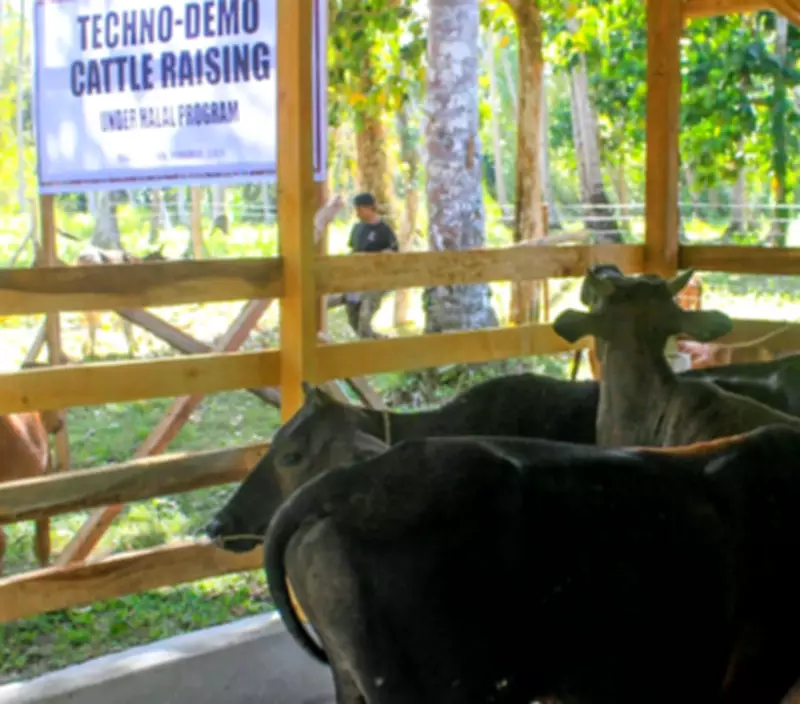
The Sulu provincial office of the Ministry of Agriculture, Fisheries, and Agrarian Reform (Mafar) has officially turned over a techno-demo cattle-raising project to an association of cattle raisers in Panamao. This significant event took place on Monday, February 16, 2026, in Barangay Parang Duyan, Municipality of Panamao, marking a strategic move to bolster halal cattle production in the region.
Project Details and Components
The techno-demo project awarded to the association includes a comprehensive package designed to support modern cattle farming. Specifically, it comprises 10 heads of cattle, an elevated water tank, a water pump engine, and essential farm tools such as a wheelbarrow, shovel, pairs of boots, and a jungle bolo. This initiative is not merely a handout but a model farm established to showcase improved methods, tools, and practices that local farmers can adopt to enhance their productivity and sustainability.
Objectives and Impact
According to Mafar-Sulu, the facility will serve as a demonstration and learning site for cattle raisers across Sulu. The primary goals are to increase both the supply and quality of halal-certified cattle, thereby supporting the growing halal industry in the Bangsamoro Autonomous Region in Muslim Mindanao (Barmm). Engineer Alfie Iribani, Mafar-Sulu provincial director, and Chief Agriculturist Jun Ammak led the turnover ceremony, emphasizing the program's focus on enhancing productivity, promoting sustainable practices, and improving the livelihoods of local farmers.

In a statement, Mafar-Sulu highlighted that this initiative underscores Barmm's continued support for communities in Sulu, particularly in strengthening agriculture-based livelihoods. The agency noted that despite administrative changes, communities in Sulu continue to receive uninterrupted services from Barmm, ensuring a seamless and people-centered transition for the province. This project is a testament to the region's commitment to advancing agricultural development and economic resilience through targeted interventions.