The Philippines recorded a wider balance of payments (BOP) deficit in the first quarter of 2026, reflecting mounting external pressures driven by debt repayments, softer capital inflows, and elevated import costs.
Deficit widens sharply year-on-year
Data showed the country’s BOP position registered a deficit of US$5.3 billion, equivalent to 4.5 percent of gross domestic product (GDP), significantly higher than the US$3.0 billion deficit (2.6 percent of GDP) posted in the same period last year.
The deterioration in the external accounts was largely attributed to weaker financial inflows. This was driven by substantial external debt repayments and a slowdown in foreign direct investment (FDI), as investors remained cautious amid global uncertainties.

Financial account under pressure
The financial account posted lower net inflows, primarily due to declines in “other investments.” Banks reduced their foreign liabilities by repaying loans, while nonresidents pulled out currency and deposits from local financial institutions. Although direct investments remained in positive territory, inflows moderated compared to the previous year.
Portfolio investments also reflected continued volatility. While net outflows eased due to reduced overseas investments by residents, foreign investors trimmed their holdings of Philippine debt securities, partially offsetting gains.
Current account deficit widens on trade
On the external trade front, the current account deficit widened, mainly due to a larger deficit in trade in goods. Despite robust export growth—supported by sustained global demand for electronics—import payments surged, driven by higher prices of key commodities.
Additional pressure came from softer dividend inflows and reduced interest earnings from both direct investments and reserve assets.
Services sector resilience insufficient
Meanwhile, the services sector showed signs of resilience but was insufficient to offset broader deficits. The surplus in trade in services narrowed as payments for technical, trade-related, and other business services, as well as travel expenditures, increased at a faster pace than receipts.
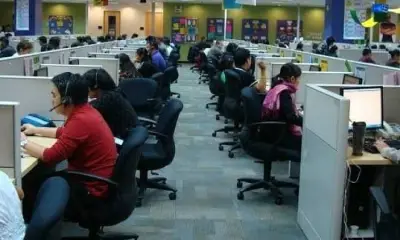
Nonetheless, key sectors continued to provide support to the external position. Revenues from tourism, manufacturing services, and the business process outsourcing (BPO) industry remained solid. Remittances from overseas Filipinos also stayed resilient, helping cushion the impact of external headwinds and serving as a stable source of foreign exchange.
Outlook remains sensitive to global conditions
Moving forward, the country’s external position is expected to remain sensitive to global economic conditions, particularly trends in commodity prices, capital flows, and investor sentiment. The Philippine BOP position is projected to be weaker in 2025-2026 due to slower global trade and subdued investor confidence linked to increased uncertainty in global trade policy and geopolitical developments.