The debate over wage increases in the Philippines has intensified as inflation continues to push up the cost of everyday essentials. Workers are questioning whether salary hikes will be enough to keep pace with rising prices, while businesses and economists weigh the broader economic implications.
Inflation and Wage Pressures
Inflation has eroded purchasing power across the country, particularly for low- and middle-income households. The Philippine Statistics Authority reported that inflation remained elevated, with food and energy costs driving much of the increase. This has fueled demands for higher wages from labor groups.
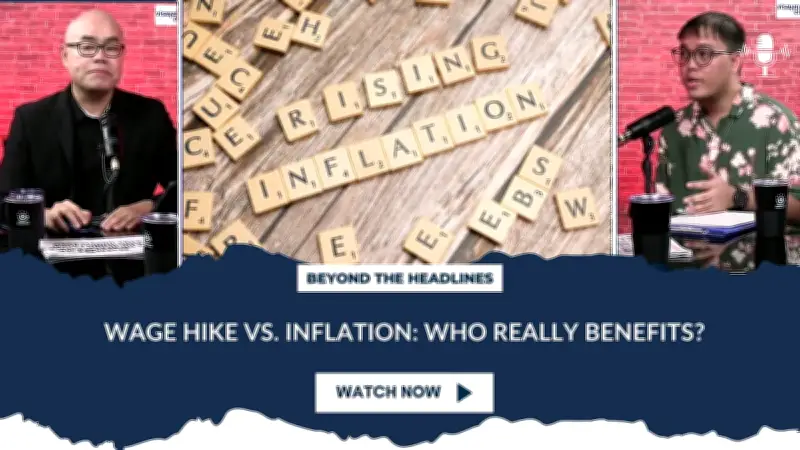
Kyle Enero, President of BIEN-Cebu, emphasized that workers need substantial increases to maintain their standard of living. "The current minimum wage is not enough to cover basic needs like food, housing, and transportation," he said.

Impact on Workers and Businesses
For workers, a wage increase could provide immediate relief, but many argue that the proposed increments are too small. Labor groups have called for a significant hike, while business groups warn that higher labor costs could lead to reduced hiring or even layoffs.
Enero noted that businesses must adapt to fair wages as a long-term investment. "If workers are paid fairly, productivity and consumer spending will rise, benefiting the economy as a whole," he added.
Broader Economic Implications
Economists are divided on the impact of wage increases. Some argue that higher wages could fuel further inflation if businesses pass costs to consumers. Others contend that wage growth is necessary to sustain domestic demand and reduce inequality.
The government has taken steps to address the issue, with the National Wages and Productivity Commission reviewing regional wage orders. However, the pace of adjustment has been criticized as too slow.
As the debate continues, workers and businesses alike are watching closely. The outcome could shape the country's economic trajectory in the months ahead.