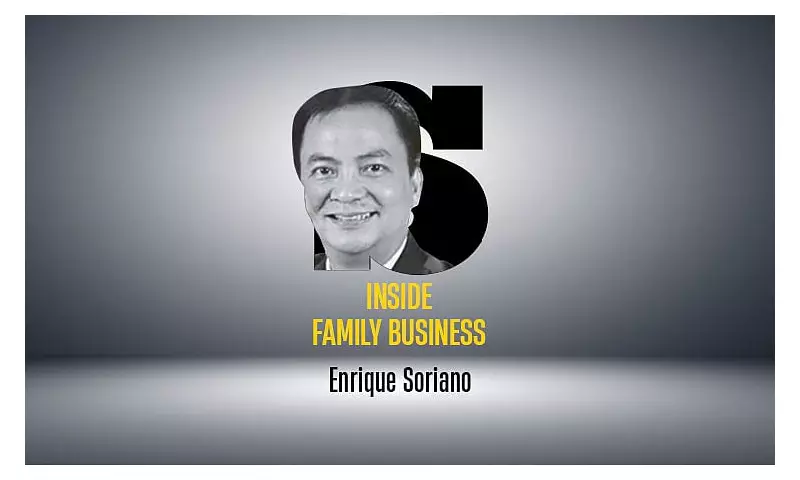
As 2025 draws to a close, a prominent voice in family governance has issued a powerful and timely reflection aimed at a specific group: the next-generation heirs of Philippine business empires. In an open letter published on December 29, 2025, advisor E. Soriano cuts through the comfort of holiday celebrations to pose urgent questions about responsibility, relevance, and the true meaning of ownership.
The Illusion of Permanence in Inherited Wealth
Soriano begins by acknowledging the unique position of those born into established Filipino families. He notes that Christmas, while a time for family and tradition, can also reinforce a dangerous illusion for the wealthy—the idea that success is permanent and self-sustaining. The visible rewards of generational wealth are clear, but the original sacrifices and hard work that built them often fade from view.
The core challenge for these individuals, according to the letter, is not about creating opportunity, which is often handed to them, but about becoming worthy of it. Stability has been their baseline, with businesses, resources, and open doors pre-existing their arrival. Soriano emphasizes that while this circumstance is not their fault, it is also not a neutral fact. It carries a weight of expectation and duty.

Ownership Versus Access: A Critical Distinction
A central theme of the message is the crucial difference between having access and claiming true ownership. Being born into a wealthy family provides access to networks, capital, and influence. However, real ownership is defined by accountability, not share certificates.
Soriano warns against confusing proximity with preparedness. He points out that many next-generation members attend meetings without grasping the trade-offs, receive dividends without facing operational risk, and allow comfort to stifle their curiosity. This dynamic creates a distance from the real workings of the enterprise, which ultimately weakens their ability to be good stewards.
Using the New Year as a Mirror for Self-Assessment
The letter reframes the holiday season as a mirror rather than just a reward. It urges next-generation leaders to ask themselves tough, practical questions as the New Year approaches. These are not framed as moral tests but as essential business inquiries.
Key questions include:
- Was my dividend earned or simply granted due to my surname?
- Do I truly understand how our business generates profit?
- Have I built credibility that exists independently of my family name?
- Can I lead employees who see me as "the owner's child"?
- Would the business trust me with significant responsibility today?
Soriano argues that the central issue is not whether one deserves their inheritance, but whether they are developing the capability to sustain and grow it for the future.
The High Cost of Avoiding Discomfort
One of the subtle dangers highlighted in the letter is the systemic avoidance of discomfort that often surrounds heirs. Discomfort builds competence, failure builds judgment, and accountability builds credibility. Yet, many are shielded from these formative experiences through filtered feedback, softened mistakes, and consequences absorbed by the family system.
While this protection may stem from love, Soriano states plainly that it delays maturity. And in the world of business, delayed maturity comes with a very high price tag, risking the legacy they are meant to uphold.
A Blueprint for Earning Relevance in the New Year
The message for 2026 is not a call to reject privilege, but a challenge to earn relevance. Soriano outlines a path forward that focuses on substantive contribution over passive entitlement.
This involves seeking roles where one's family name offers no protection, learning the intricacies of operations before demanding influence, prioritizing discipline over lifestyle, and choosing to contribute meaningfully before expecting rewards. The letter drives home the point that stewardship is not inherited; it is practiced daily.

E. Soriano concludes with a powerful reflection: while one does not choose the circumstances of their birth, they are fully responsible for the character they develop. The demanding question for the new year is clear: Will you merely benefit from what others built, or will you become someone truly capable of carrying it forward? The future of the family enterprise, he notes, will answer that question through each decision made.