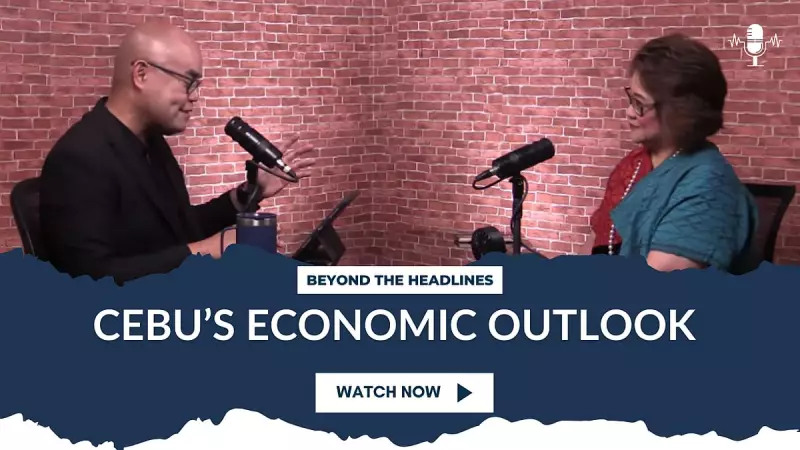
Cebu, the bustling economic powerhouse of the Visayas region, is poised for a year of robust expansion. According to a leading banking executive, the province's economy is forecast to grow between 6.5% and 7.5% in 2024. This optimistic projection was shared during a recent economic briefing, highlighting Cebu's resilience and dynamic growth drivers.
Key Sectors Fueling Cebu's Expansion
The growth forecast is underpinned by strong performance in several critical industries. The construction sector stands out as a primary engine, with numerous ongoing and planned infrastructure projects. This boom is not just in commercial real estate but also in residential developments, responding to the island's growing population and sustained demand.
Another major contributor is the tourism and hospitality industry. Cebu continues to be a top destination for both domestic and international travelers, drawn to its world-class beaches, rich history, and vibrant festivals. The recovery and sustained growth in tourist arrivals are significantly boosting hotels, restaurants, and related services.

The Business Process Outsourcing (BPO) sector remains a stalwart of Cebu's economy. The industry provides tens of thousands of jobs and continues to attract investments, with companies expanding their operations beyond the traditional Metro Cebu areas into emerging hubs.
Challenges on the Horizon
Despite the positive outlook, experts acknowledge several challenges that could temper growth. High inflation and increasing commodity prices remain a concern, affecting the cost of living and business operations. Global economic uncertainties and potential geopolitical tensions also pose risks to trade and investment flows.
Furthermore, infrastructure demands continue to be a pressing issue. While construction is booming, the need for improved traffic management, public transportation, and utilities is critical to support sustainable long-term growth and maintain the quality of life for residents.
Investment and Government Support
The bullish forecast is also linked to continued investor confidence and supportive government policies. Both local and national government initiatives aimed at improving ease of doing business and fostering public-private partnerships are seen as vital components for achieving the projected growth rate.
Financial institutions are playing a key role by providing capital for business expansion and infrastructure development. The banking sector's health is directly tied to the province's economic vitality, and their positive outlook signals strong underlying fundamentals.
In conclusion, Cebu's economic trajectory for 2024 appears firmly on an upward path. The convergence of a strong construction pipeline, a resilient tourism sector, and a stable BPO industry creates a solid foundation for growth. Navigating the challenges of inflation and infrastructure will be crucial, but the overall sentiment from business leaders remains decidedly optimistic about Cebu's role as a central driver of the Philippine economy.