Cebu, the vibrant heart of the Visayas, stands at a critical economic crossroads. The province is experiencing a significant surge in development, driven by major infrastructure projects and a robust business process outsourcing (BPO) sector. However, this rapid growth brings with it a set of complex challenges that threaten to stall progress if not addressed strategically.
The Engines of Cebu's Economic Expansion
A powerful combination of public and private investment is fueling Cebu's rise. The national government's "Build, Build, Build" program has been a major catalyst, with flagship projects transforming the landscape. The completion of the Cebu-Cordova Link Expressway (CCLEX) has dramatically improved connectivity between Cebu City and Mactan Island, easing congestion and opening new areas for development.
Parallel to this, the private sector is making massive bets on the island's future. The development of mixed-use megaprojects like the 50-hectare Cebu South Road Properties (SRP) reclamation area is creating new urban centers. These hubs combine residential towers, commercial spaces, and leisure facilities, attracting both local and international businesses. Furthermore, Cebu continues to solidify its position as a top BPO destination outside Metro Manila, with thousands of new jobs created annually in IT and customer service.

Confronting the Growing Pains of Progress
This breakneck development is not without its downsides. The most visible symptom is the worsening traffic congestion in Metro Cebu. The increase in vehicles has outpaced road capacity, leading to daily gridlock that costs the economy billions in lost productivity and affects the quality of life for residents.
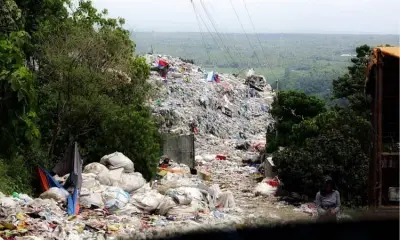
Another pressing issue is waste management. The province generates thousands of tons of waste daily, straining existing landfill facilities and raising environmental concerns. The search for sustainable, long-term waste solutions is becoming increasingly urgent. Additionally, ensuring a stable and sufficient power supply for the growing industrial and commercial demand is a persistent challenge that investors closely monitor.
The Path Forward: Sustainable and Inclusive Development
For Cebu to sustain its growth trajectory, a multi-faceted approach is essential. Experts emphasize the need for accelerated completion of complementary infrastructure, such as the proposed Bus Rapid Transit (BRT) system and additional mass transit options, to decongest roads. Embracing green technology and enforcing stricter environmental regulations will be key to managing urban sprawl and pollution.
Ultimately, the goal must be inclusive growth. Economic gains should translate into improved public services, affordable housing, and better opportunities for all Cebuanos. By strategically addressing its infrastructure deficits and environmental concerns, Cebu can harness its current momentum to build a more resilient and prosperous future, setting a benchmark for development in the Philippines.