Fuel Price Surge Disrupts Supply Chains, Triggers Inflation Fears
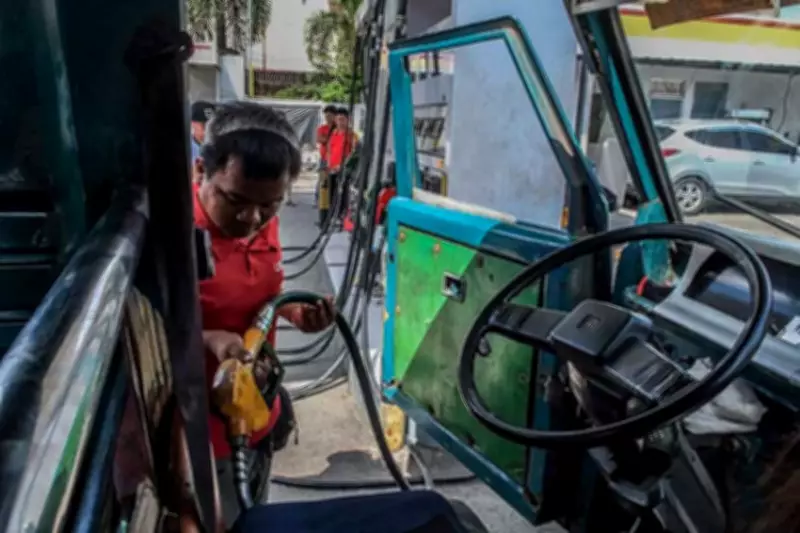
Rising fuel prices are beginning to push up the cost of goods and disrupt supply chains across the Philippines, with manufacturers warning of broader price increases if energy costs continue to climb. Robert Go, spokesperson for the Philippine Retail Association-Cebu Chapter, highlighted that producers are currently in a "wait-and-see" mode but are already adjusting logistics operations as fuel expenses surge.
Logistics Challenges and Delivery Limitations
Deliveries have become more limited, with companies prioritizing full-load shipments to manage costs, while far-flung provincial areas are experiencing reduced delivery frequency. "High fuel prices are already affecting logistics, so deliveries are limited unless full load, and those in far provinces are receiving fewer shipments," said Go, who runs Prince Retail Group. Logistics expenses have risen sharply in recent weeks, with shipping costs from Manila increasing by about 25% to 30%, and roll-on/roll-off (RoRo) transport fees surging by as much as 50%.
Price Increases and Impact on Staples
Manufacturers have signaled that starting April 1, some products could see price increases of around three to five percent. However, staples such as rice, cooking oil, sugar, and vegetables have already posted price increases, largely driven by higher gasoline costs that ripple through transport and distribution. "From Manila to Cebu and onward to islands like Camotes, the combined increase is about 75%, and truck fuel costs have nearly doubled," Go noted, emphasizing that remote areas are bearing the brunt of rising delivery expenses. "Rice, in particular, is heavily affected because it is bulky and transport-intensive."

Retailer Strategies and Market Contrasts
Retailers, however, are holding the line on prices for as long as possible. "If you notice, supermarkets do not increase prices immediately. We wait until old stocks are depleted before adjusting, even if manufacturers raise prices," Go explained. "Retailers try to absorb costs, even at breakeven, because of competition—we do not want to be seen as the first to increase. In fact, we want to be the last." He added that even if manufacturers implement price hikes by April 1, many retailers will continue selling at old prices until inventories are replenished at higher costs.
This contrasts with public markets such as Carbon Public Market in Cebu City, where prices tend to adjust more quickly as vendors immediately factor in higher transport expenses. "Basic goods, especially rice and vegetables, are quicker to reflect increases in places like Carbon because transport costs are computed right away," Go said.
Supply Stability and Consumer Advice
Despite rising costs, the supply of manufactured goods remains stable for now, as distributors still have sufficient inventory. "Supply is not a problem at this point. Distributors have stocks and are also waiting for manufacturers to formally implement increases," Go stated. Food supply is likewise expected to remain adequate, barring disruptions in consumer behavior. "Food will remain stable and available unless there is panic buying," Go warned. "Unnecessary purchases beyond normal needs could wipe out supply and accelerate price increases. We advise consumers not to panic buy."