Malacañang Applauds Private Sector's Work-From-Home Initiatives as Major Energy-Saving Measure
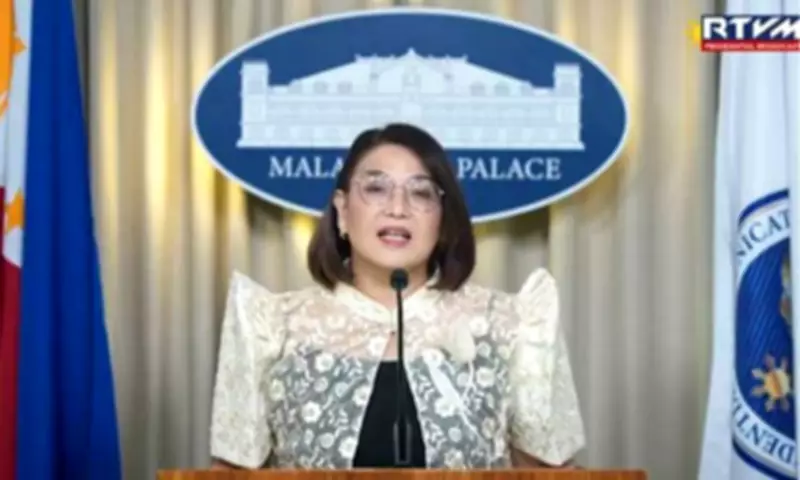
In a press briefing held on Friday, March 27, 2026, Palace Press Officer Claire Castro expressed strong support for private companies proposing work-from-home arrangements, describing them as a "big help" in conserving energy. This comes as rising fuel costs, driven by escalating tensions in the Middle East, put pressure on both businesses and consumers across the nation.
Government Support Without Mandates
Castro clarified that while the government welcomes these initiatives, it will not impose them as mandatory requirements. "If that will be the proposal of private business companies, that will be a big help," she stated, responding to plans from some firms to implement WFH schemes. She emphasized the voluntary nature of such arrangements, noting, "Of course, the President will not dictate on private companies."
The press officer highlighted the timeliness of these proposals, as Filipinos increasingly feel the economic impact of the ongoing conflict in the Gulf region. "If they see that this will benefit the country, serve the interest of the public, and help save fuel or petroleum products, then that is a good suggestion," Castro added, underscoring the dual benefits of supporting workers and reducing operational costs.

Flexible Work Arrangements Gain Traction
This development aligns with earlier guidance from the Department of Labor and Employment, which encouraged the private sector to adopt flexible work arrangements. These include:
- Four-day workweeks
- Compressed schedules
- Work-from-home setups
Such measures aim to ease operational expenses while safeguarding employee welfare during challenging economic times.
Proactive Energy Crisis Management
Castro also addressed broader energy concerns, assuring the public that the government is taking swift action to prevent potential rotational brownouts and electricity shortages, particularly as the summer season approaches. She explained that the declaration of a national energy emergency serves as a preventive measure against a full-blown crisis.
"We are taking steps before we reach an unfavorable situation caused by the crisis in the Middle East," Castro affirmed, highlighting proactive strategies to mitigate the impact of international tensions on domestic energy stability.
The combination of private sector innovation and government vigilance represents a coordinated effort to navigate the economic challenges posed by global events, with work-from-home arrangements emerging as a practical solution for energy conservation and cost savings.