The Philippine Statistics Authority (PSA) has unveiled its latest Provincial Product Accounts (PPA), revealing a powerful surge in economic performance across the country's highly urbanized cities (HUCs) for the year 2024. The data, released on Tuesday, November 18, 2025, confirms that every single HUC in the Philippines experienced economic expansion, with growth rates collectively outstripping the national average.
Top Performers and Growth Leaders
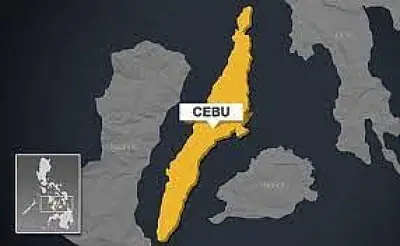
Leading the remarkable charge was Puerto Princesa City, which posted the fastest growth rate among all HUCs at an impressive 9.8 percent. It was closely followed by Iligan City, which registered a robust 8.8 percent growth. The list of the ten fastest-growing highly urbanized cities was completed by Butuan (8.7%), Tacloban (8.2%), Davao (7.9%), Bacolod (7.7%), Makati (7.35%), Malabon (7.27%), Iloilo (7.1%), and Cebu (7%). A key highlight is that all these cities grew faster than the national Gross Domestic Product (GDP) expansion, which was recorded at 5.7 percent.
Economic Powerhouses and Trillion-Peso Club
Beyond growth rates, the report detailed the massive economic output of these urban centers. The combined GDP of all HUCs reached a staggering P9.78 trillion in 2024. This colossal figure represents 44 percent of the country's total economic output, underscoring the critical role these cities play in the national economy.

A significant milestone was achieved as Manila officially joined Quezon City and Makati in breaching the prestigious P1-trillion GDP mark. Quezon City solidified its position as the nation's largest economic contributor, accounting for a six percent share of the national GDP. Makati followed with a 5.4 percent share, and Manila contributed 4.7 percent.
Contributors to National Economic Output
The PSA report also identified the top ten HUCs by their share of the national economic pie. After the top three, the list included Taguig (3%), Davao (2.6%), Pasig (2.3%), Parañaque (1.65%), Pasay (1.61%), Cebu (1.5%), and Mandaluyong (1.4%). Together, these ten urban centers were responsible for 30.5 percent of the Philippines' total economic output in 2024, highlighting a significant concentration of economic activity in these key metropolitan areas.