The Philippine Statistics Authority reported that headline inflation eased to 6.8 percent in May 2026 from 7.2 percent in April, driven by slower increases in transport and food prices. However, the cost of several basic goods remained elevated, sustaining pressure on household budgets.
Detailed Breakdown of Inflation Data
Headline inflation in May 2026 declined to 6.8 percent, compared to 7.2 percent in April. This indicates that while prices continued to rise year-on-year, the pace of increase moderated. In May 2025, inflation stood at 1.3 percent. The five-month average for 2026 reached 4.5 percent, still above the government's target range of 2 to 4 percent.
Transport and Fuel Costs Ease
The slowdown was primarily attributed to lower transport inflation, which fell to 16.2 percent in May from 21.4 percent in April. This improvement was supported by a deceleration in fuel price increases. Diesel inflation dropped sharply to 58.5 percent from 122.7 percent, while gasoline inflation slowed to 51.6 percent from 59.6 percent. Non-food inflation also declined to 7.4 percent from 8.2 percent.

DEPDev Secretary Arsenio Balisacan noted that government interventions helped mitigate the impact of elevated global oil prices. "While global oil prices remain elevated, transport inflation has begun to slow down. The government's timely and targeted interventions help mitigate the impact of external shocks on Filipino households," he said.
Mixed Food Price Trends
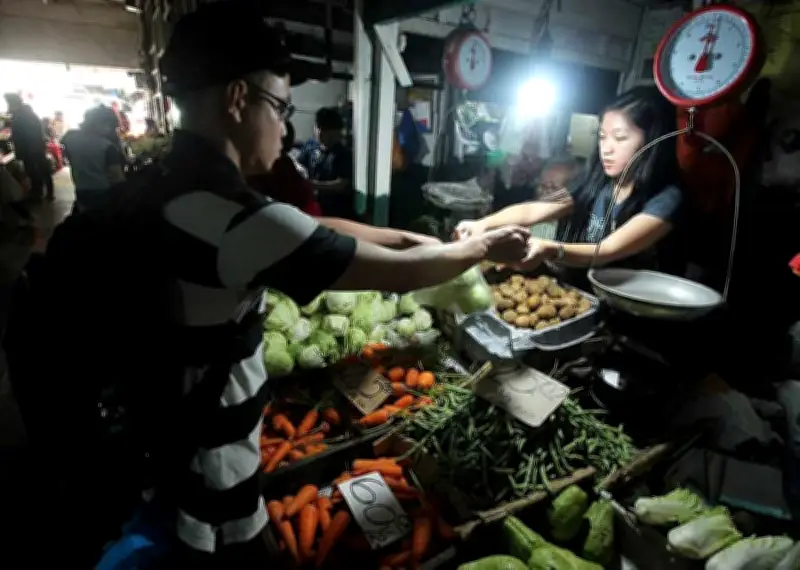
Food inflation eased to 5.8 percent in May from 6.1 percent in April, with slower increases in vegetables, fish, and meat. Vegetable inflation slowed to 6.2 percent from 10.4 percent, fish inflation eased to 8.8 percent from 9.4 percent, and meat prices continued to decline, registering -2.5 percent inflation compared to -1.9 percent in April due to oversupply.
Despite these improvements, staple food items became more expensive. Rice inflation rose to 15.6 percent from 13.7 percent, and corn inflation climbed to 25.5 percent from 21 percent. Higher inflation was also recorded for flour, bread, bakery products, and pasta.
Electricity Costs Rise
Electricity inflation increased to 8.9 percent from 8.3 percent, driven by higher generation charges, tighter power supply conditions, and the depreciation of the peso. This added to the financial burden on households.
Government Response and Future Measures
Balisacan emphasized that the government will continue monitoring inflation through the multi-agency Unified Package for Livelihoods, Industry, Food and Transport Committee. Planned measures include strengthening domestic food production, improving logistics and market efficiency, and providing support to vulnerable sectors.
Additionally, the government will maintain fuel assistance for public utility vehicle operators and drivers, secure adequate fuel supplies, explore alternative energy sources, and accelerate the transition to renewable energy. To bolster agricultural resilience, authorities plan to implement cloud-seeding operations, solar-powered irrigation systems, and crop diversification programs under the reconvened El Niño Task Force.