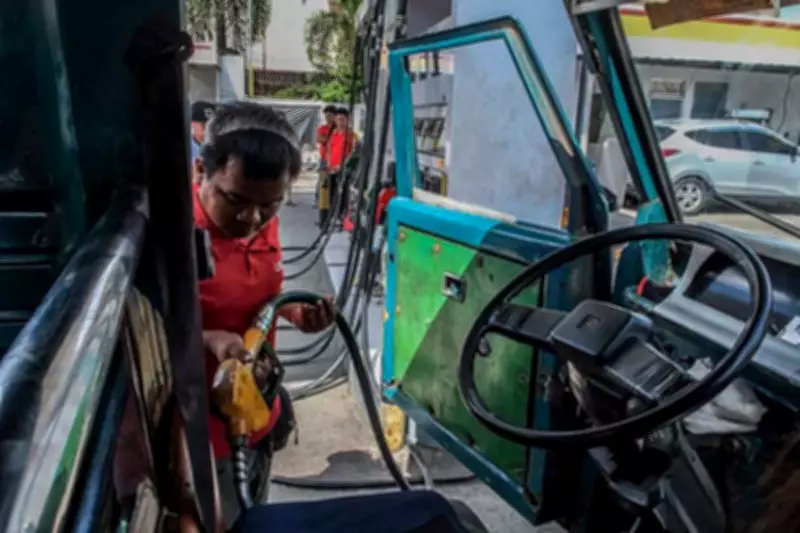
The Cebu Electricity Rights Advocates (Cera) has issued a stark warning about the potential for "uncoordinated and chaotic" fuel rationing that could severely disrupt Cebu's local economy and essential services. This concern arises following the recent declaration of a state of national energy emergency, which has heightened fears of supply chain breakdowns.
Immediate Threats to Distribution and Pricing
In a statement released on Wednesday, March 25, 2026, Cera lead convenor Nathaniel Chua highlighted critical issues with the National Government's Unified Package for Livelihoods, Industry, Food and Transport (Uplift) framework. While the Uplift program aims to stabilize fuel supply nationwide, Chua pointed out that conditions in Cebu specifically indicate looming problems in both distribution channels and pricing structures.
Chua emphasized that fuel rationing without a clear, localized implementation plan could lead to market distortions and exacerbate existing supply pressures. He referenced ongoing investigations into more than 400 gas stations across the country for suspected hoarding activities. For a port-dependent province like Cebu, even unsubstantiated rumors about rationing can quickly trigger widespread panic buying among residents and businesses.

Critical Calls for Priority Access Systems
Cera has urgently called on government authorities to establish a priority "green lane" system for fuel access during this emergency period. The group stressed that rationing measures should not be applied uniformly across all sectors, as this approach could have devastating consequences for essential services.
"Hospitals, MCWD water pumping stations, and emergency responders must have guaranteed, non-negotiable access to fuel to prevent a public health catastrophe," Chua stated emphatically. The organization warned that any disruption to these critical services could create cascading failures throughout Cebu's infrastructure.
Demands for Price Controls and Transparency
The advocacy group has made several specific recommendations to mitigate the potential crisis:
- Activation of strict anti-profiteering measures to prevent price gouging
- Immediate formation of a local price monitoring council in Cebu to regulate fuel pricing
- Rapid rollout of fuel subsidies for public transportation under the Uplift program
- Public disclosure of Cebu's current fuel reserve levels to manage expectations
Chua explained that transparency about fuel reserves could help prevent unnecessary panic buying by giving residents and businesses accurate information about supply availability. The proposed price monitoring council would specifically address concerns about excessive fuel pricing during the emergency declaration.
A Wake-Up Call for Government Action
"The declaration of an emergency is a wake-up call, not a solution," Chua concluded. "The government must ensure that energy optimization measures do not leave Cebu in the dark and without fuel. We need coordinated, localized planning that addresses our unique geographic and economic circumstances as a port-dependent province."
Cera's warnings come at a critical juncture as Cebu faces potential disruptions to its transportation networks, healthcare systems, and water supply infrastructure. The group's recommendations highlight the need for tailored emergency responses that consider regional vulnerabilities while maintaining essential services for Cebu's population.