Community groups and local sectors in Cebu are currently engaged in a critical discussion regarding the importance of lands owned by the National Grid Corporation of the Philippines (NGCP) in the areas of Duljo-Fatima and Talamban. These lands are recognized as vital for power transmission operations and the electricity supply of Cebu City.
Potential Land Use Conversion Raises Alarms
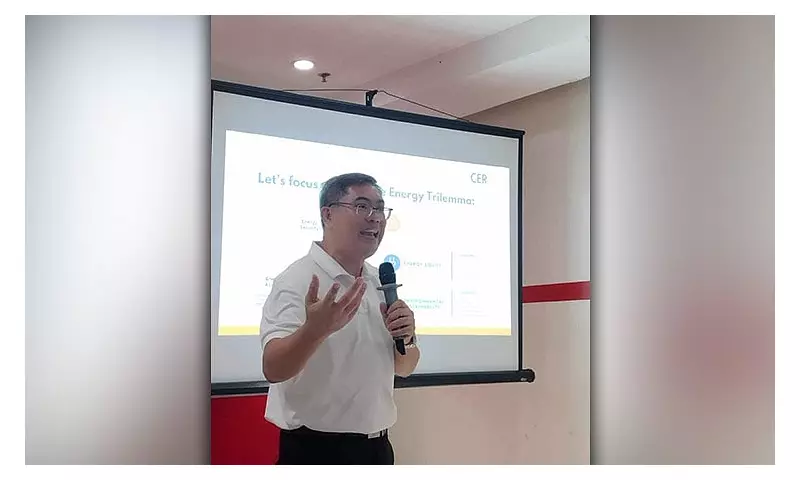
The core issue revolves around potential changes to the use of these NGCP properties, specifically plans to convert them for residential purposes or to build housing units. This is despite the fact that the lands are currently integral components of the Metro Cebu transmission network. According to Nathaniel Chua, convenor of the Cebu Electricity Rights Advocates (Cera), the sites in Duljo-Fatima and Talamban form part of the Metro Cebu Transmission Loop and are designated for essential facilities like transmission lines and substations.
Chua emphasized that these facilities are crucial for distributing power to commercial and residential areas across the city. He detailed that the Duljo-Fatima location is targeted for substation upgrades, while the Talamban area is encompassed within the corridor for 230-kV transmission lines. These high-voltage lines serve as the critical link between power plants and the urban load centers of Metro Cebu.

Relocation and Community Welfare Concerns
The discussion also brings to light the complex issue of relocation for affected communities. The advocacy group pointed out that there are homes from urban poor communities situated near these transmission corridors. In their statement, they stressed that relocating families must be handled with care, ensuring new settlements have access to schools, transportation, health services, and livelihood opportunities.
The group raised a significant caution, stating that moving residents from hazard-prone areas to locations close to high-voltage transmission lines requires more rigorous study and coordination among concerned government agencies. This highlights the need for a balanced approach that addresses both housing needs and public safety.
Evaluating Future Power Demands and Infrastructure
Backing their concerns with data, Cera projects that Cebu's demand for electricity will rise in the coming years. Consequently, they argue for the continuous evaluation of transmission facilities and the strategic location of power grid-related infrastructure. This ongoing assessment is directly tied to ensuring supply stability, managing operational costs, and minimizing negative impacts on local communities.
The group revealed that the issue is now being studied within the broader context of community welfare and public service. This involves coordinated efforts between local government units, residents, and the power sector. The ongoing dialogue encompasses multiple aspects, including power infrastructure integrity, rehousing considerations, and the specific needs of communities living within or near transmission corridors.
The outcome of these discussions could have long-term implications for Cebu's energy security and urban development planning.