Cebu Energy Advocate Sounds Alarm Over Grid Stability
The Cebu Electricity Rights Advocate (CERA) has issued a stark warning against local proposals to repurpose essential land owned by the National Grid Corporation of the Philippines (NGCP). The lots in question are located in Barangays Duljo-Fatima and Talamban within Cebu City. According to the group, these are not merely vacant plots but are critical components of the Metro Cebu Transmission Loop, and their conversion for residential use poses a direct threat to the region's future power stability.
Strategic Sites Under Threat
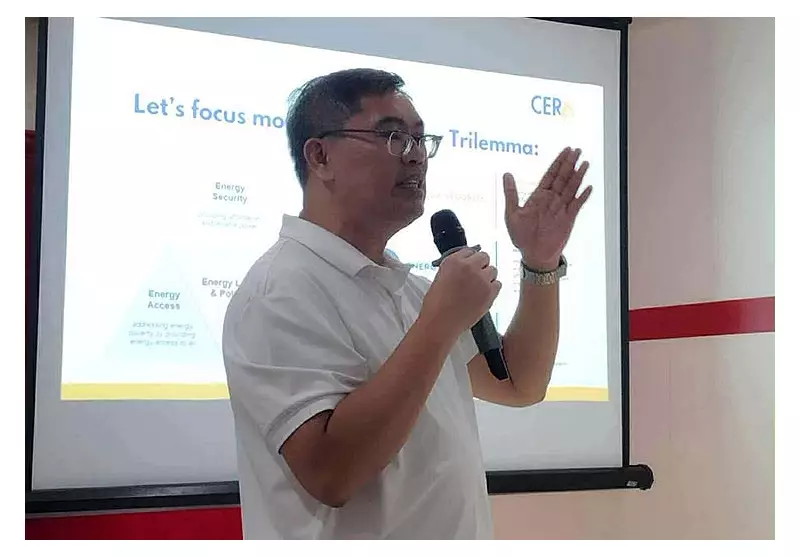
Nathaniel Chua, the convenor of CERA, emphasized that these NGCP-designated lots serve as vital nodes for stabilizing Cebu City's entire power grid. He described them as strategic entry points for distributing electricity into the city's core commercial and residential areas. Losing this land would permanently cripple the grid's future capacity, Chua stated. He explained that international investors prioritize 'energy resilience' and stable power reserves, and without them, capital may flow elsewhere. Cebu's economy, he noted, is already constrained by a thin power reserve that frequently falls below the 200-megawatt safety buffer.
The function of each barangay is distinct. The site in Barangay Duljo-Fatima is targeted for crucial substation upgrades intended to prevent overloading in the downtown and southern districts. Meanwhile, Barangay Talamban hosts a vital corridor for 230KV transmission lines that connect power generation plants in the north to the urban centers where electricity is consumed.

Technical Risks and Consumer Costs
Chua detailed the technical necessities, noting that equipment like capacitor banks and static var compensators (SVCs) are required to maintain a steady voltage of 230,000 volts. These high-capacity lines demand larger towers, bigger safety clearances, and more substation space than older infrastructure. Converting these lots is labeled a 'catastrophic miscalculation'.
The financial burden, Chua warned, would ultimately fall on consumers. The significant cost of acquiring new land to rebuild this essential grid infrastructure would be passed on through monthly electricity bills. Furthermore, an unstable grid increases the risk of appliance damage and more frequent brownouts during peak usage hours.
From One Danger Zone to Another
CERA also challenged the social logic behind the proposals. Moving families from hazardous areas like river easements and landslide-prone zones only to place them directly beneath high-voltage transmission lines is criticized as a 'danger zone to danger zone' swap. This approach, Chua argued, fails to genuinely solve Cebu's mounting housing crisis and instead creates a new class of 'permanently displaced' citizens.
With Cebu's power demand projected to reach 2,108 MW by 2030, an unstable grid would lead to higher electricity costs and more frequent outages, undermining the very socialized housing programs intended to help communities. CERA's statement concluded that maintaining these lots for their intended utility is a vital preventive measure against future power shortages and technical bottlenecks.
Chua called for a more consultative and collaborative planning process for strategic relocation, ensuring proposed socialized housing is built in areas that are truly safe. 'We will not stand by while the technical future of Cebu's power grid is bartered away for political optics,' he asserted.