The advocacy group Cebu Electricity Rights Advocates (Cera) has issued a stark warning about Cebu's energy future, calling for an immediate reassessment of the province's power strategy. The group cautions that thin reserve margins and a growing dependence on waste-to-energy projects could compromise grid stability and public safety.
Grid Stability and Public Safety at Risk
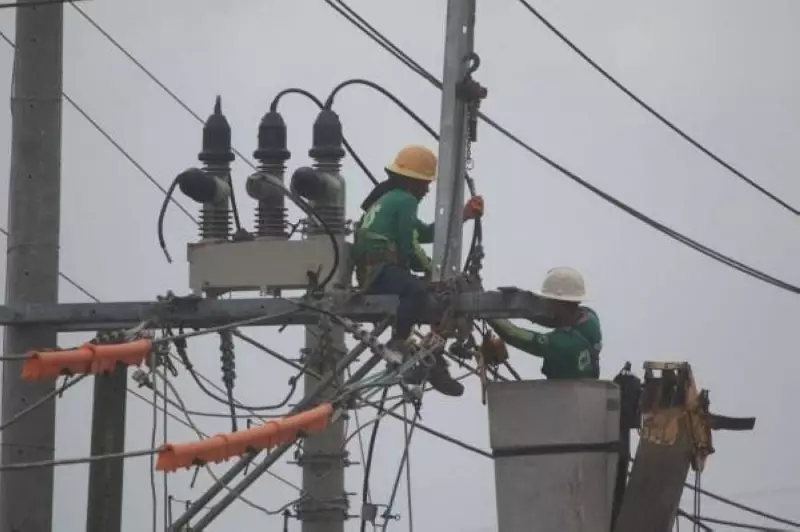
Cera convenor Nathaniel Chua revealed that Cebu's power reserve margin often dips below the critical safety buffer of 200 megawatts. This precarious situation heightens the risk of voltage instability and widespread power disruptions, which could cripple businesses and essential public services.
The group emphasized that Cebu's electricity demand is surging, with an estimated annual growth of about 150 MW. To meet this, Cera insists on the rapid development of reliable, island-based baseload power plants. They argue that continued reliance on inter-island submarine cables and speculative projects is a risky and unsustainable path.

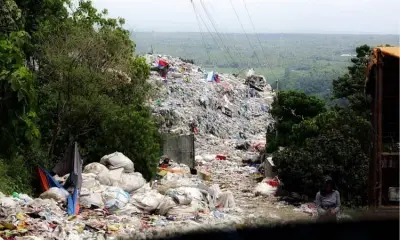
Specifically, Cera pointed to proposed waste-to-energy (WTE) facilities as insufficient for long-term needs. They cited a planned WTE plant in Binaliw, which might contribute around 18 MW—a figure covering only about 12 percent of a single year's demand growth. While supporting a diversified energy mix, the group stressed that economic expansion must be built on a stable, 24/7 baseload supply to ensure safety and business continuity, especially for critical infrastructure like water pumping stations.
Business Leaders Echo Concerns Over Investment
The private sector in Cebu is sounding a parallel alarm. Business leaders warn that tightening power supply, combined with rising political uncertainty, is creating material risks for investors. This is particularly acute for manufacturers and export-oriented firms that depend on stable, competitively priced electricity.
Mark Anthony Ynoc, president of the Mandaue Chamber of Commerce and Industry, confirmed that electricity demand in Cebu is growing by approximately 150 MW per year, outpacing the addition of new generation capacity. This growth is driven by expanding industrial activity, population increases, and higher consumption from commercial and digital enterprises across Metro Cebu.
"Demand continues to grow faster than supply," Ynoc stated. "If this imbalance is not addressed soon, the risk of disruptions becomes a serious concern for investors who require reliability and predictability."
As a major national hub for manufacturing and services, Cebu depends heavily on the Visayas grid, which already operates with thin reserve margins during peak hours. Delays in new power plants or unexpected outages could lead to costly interruptions that disrupt production.
Urgent Calls for Action and Policy Clarity
In response to these mounting challenges, Cera has made several urgent proposals. The group is calling on authorities to publish a clear, time-bound energy roadmap that prioritizes island-based generation and reduces dependence on external power sources.
Furthermore, Cera has proposed establishing a mandatory one-kilometer no-build zone around landfills and WTE facilities. They argue that stricter land-use rules are necessary to prevent future safety and environmental hazards.
From the business perspective, the power constraint is exacerbating broader investor worries. Executives note that the Philippines is now being directly compared to regional competitors like Vietnam, Indonesia, and Thailand. These nations are attracting manufacturing investments through more predictable policies, faster permitting, and aggressive infrastructure development.
"Investors compare locations side by side," Ynoc explained. "They look at power reliability, cost of doing business, infrastructure readiness, and policy stability. If Cebu cannot guarantee these fundamentals, capital will simply go elsewhere."
The consensus from both advocacy groups and the business community is clear: Cebu must act swiftly to secure its energy independence and protect its economic future.