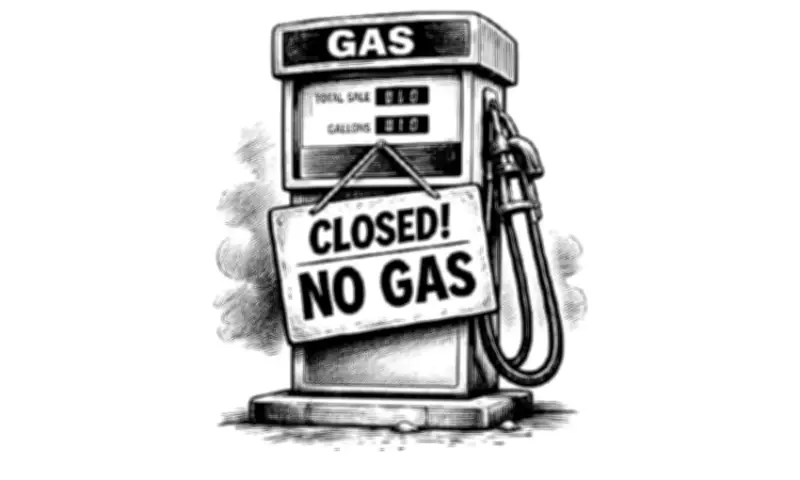
The Philippines is grappling with a severe fuel crisis, marked by a significant reduction in operational gasoline stations across the nation. According to the Department of Energy (DOE), the number of active stations has plummeted from 425 to just 365 as of March 30, 2026. This alarming decline underscores the escalating impact of global petroleum supply disruptions, driven largely by ongoing conflicts in the Middle East.
Supply Shortages Trigger Station Closures
While many Filipinos have voiced concerns over skyrocketing fuel prices, the more immediate threat is the dwindling availability of gasoline itself. Numerous stations have been forced to shut down due to depleted stocks, a direct result of non-delivery of petroleum products. This shortage has created a ripple effect, disrupting daily transportation and livelihoods that depend heavily on fuel.
Middle East Tensions Exacerbate Crisis
The situation has intensified as tensions in the Middle East persist, with the entire global community feeling the repercussions. In the Philippines, the crisis has led to reports of hoarding and exploitation by some entities, taking advantage of the precarious supply chain. Although the Philippine National Police (PNP) noted that some establishments have reopened temporarily after restocking, this remains a fragile and unstable solution.

Government Response and Market Uncertainty
In response, the Department of Energy has sought assistance from the PNP to curb illegal activities such as hoarding. While this move is seen as a step in the right direction, experts argue it is insufficient without robust implementation and clear punitive mechanisms. There is a pressing need for stricter monitoring, swift action against exploiters, and greater transparency in reporting supply status.
Market uncertainty continues to loom, with the public remaining anxious about access to petroleum products essential for both personal and economic activities. The crisis highlights broader vulnerabilities in the Philippines' energy infrastructure, particularly its susceptibility to international events.
Call for Stronger Energy Policies
Overall, this incident exposes critical weaknesses in the country's energy resilience. There is an urgent call for more robust energy policies, including the development of alternative energy sources and the strengthening of local reserves. Without these measures, the current crisis risks worsening, potentially inflicting lasting damage on the economy and the everyday lives of ordinary citizens.
The path forward requires not only immediate interventions but also long-term strategic planning to safeguard against future disruptions. As the world watches the Middle East, the Philippines must act decisively to secure its energy future and mitigate further economic and social fallout.