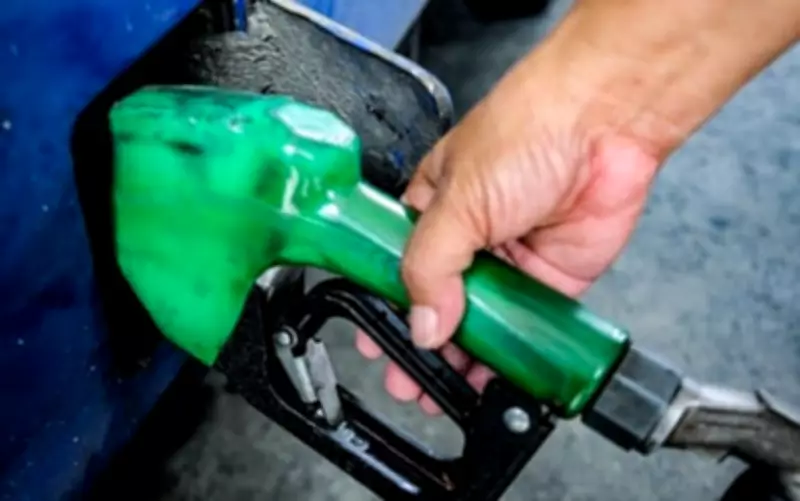
In a decisive move to address rising global energy concerns, the Vietnamese government has implemented a sweeping reduction of taxes on fuel products. According to reports from the Vietnam News Agency, the special consumption tax rate on fuel has been officially cut to zero percent, effective from Friday, March 27, 2026, and will remain in place until April 15, 2026.
Government Action and Tax Details
The tax reduction was authorized under a formal decision signed by Prime Minister Pham Minh Chinh on Thursday, March 26, 2026. This policy extends beyond the special consumption tax, as the environmental protection tax on gasoline—excluding ethanol—along with diesel and aviation fuel, has also been set at zero Vietnamese dong per liter. Additionally, gasoline, diesel, and aviation fuel are now exempt from value-added tax (VAT) declaration and payment, although input VAT remains deductible for businesses.
Rationale Behind the Tax Cuts
The Vietnamese government views this measure as an urgent and effective strategy to help stabilize domestic fuel prices and ensure national energy security. This action comes in response to escalating tensions in the Strait of Hormuz, a critical global oil transit route. By reducing tax burdens, authorities aim to mitigate potential price spikes and supply disruptions that could impact consumers and the economy.

Financial Implications and Benefits
State-owned media estimates that these tax cuts will reduce state budget revenues by approximately 7.2 trillion Vietnamese dong per month, equivalent to around 287.8 million US dollars. Despite this significant fiscal impact, the policy is expected to provide substantial financial relief to consumers and support ongoing production and business activities across various sectors. The move underscores Vietnam's proactive approach to navigating international energy challenges while prioritizing economic stability.