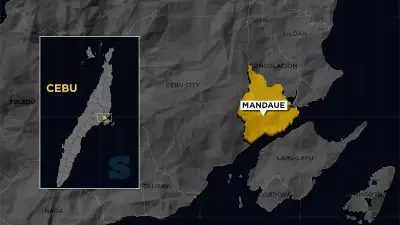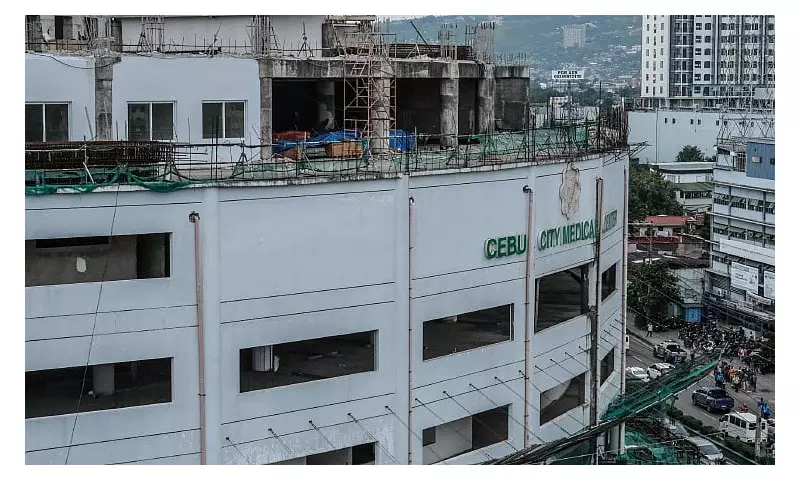
After years of delays and a recent comprehensive audit, the long-awaited construction of the Cebu City Medical Center (CCMC) is finally set to move forward. Cebu City Mayor Nestor Archival has announced that work on the stalled public hospital project will resume in the first week of January 2026.
A Decade of Delays and a Path Forward
The journey to complete the CCMC has been fraught with challenges for over a decade, becoming a symbol of the struggle between public health ambitions and administrative hurdles. Mayor Archival's announcement follows a critical six-month audit conducted jointly with the City Council, which was essential for identifying missing structural elements and planning requirements.
The administration has set a clear, phased goal: to make portions of the hospital usable by late 2026, with the ambitious target of having the eighth floor fully operational by December of that year. However, the full completion and operation of the entire facility is now projected for 2028, highlighting the scale of the work remaining.

Confronting Structural and Financial Realities
The roadblock to completion is not merely a lack of funds but a legacy of past construction errors that must be corrected. Volunteer engineers identified approximately P400 million worth of structural defects from earlier phases of construction. These critical issues must be repaired before any new work can safely begin, adding significant cost and time to the project.
Financially, the city faces a substantial gap. An additional P1.1 billion is now required to address these deficiencies and complete the remaining construction phases. The project has also suffered from planning paralysis, including missing engineering plans and prolonged bidding processes, which have historically stalled progress.
For Cebu City residents, the delay has a tangible cost. The incomplete hospital cannot function as a self-sustaining institution, forcing the city to heavily subsidize its operations. While the city has invested over P1 billion, CCMC currently generates only about P300 million in Philhealth reimbursements, creating a cycle where public funds are tied up instead of being used for other vital services.
Building a Sustainable Healthcare Future
Mayor Archival emphasizes that maximizing Philhealth utilization is key to the hospital's future financial health and reducing the city's burden. A major part of the strategy involves expanding Philhealth access at the grassroots level. Currently, only five of the city's 80 barangays have accredited Philhealth stations.
The mayor aims to increase this number to at least 40 barangay health centers next year. This expansion is seen as crucial for stabilizing the healthcare system's revenue and creating a more sustainable model for when the CCMC is fully operational.
The push to finish the CCMC is being framed as a collaborative effort. The administration is partnering with academic institutions to bolster healthcare manpower in the interim. A recent memorandum of agreement signed with deans from major universities, including the University of San Carlos and University of Cebu, will allow nursing students to gain hands-on clinical experience while supporting the city's healthcare needs.
The immediate focus is on the January restart. All eyes will be on whether the city can meet its October milestone for partial use. The coming year will be a decisive test, determining if the CCMC can finally shed its reputation as a cautionary tale and become the pillar of community health it was always meant to be.