Cebu BRT Project: Progress, Challenges, and Next Steps
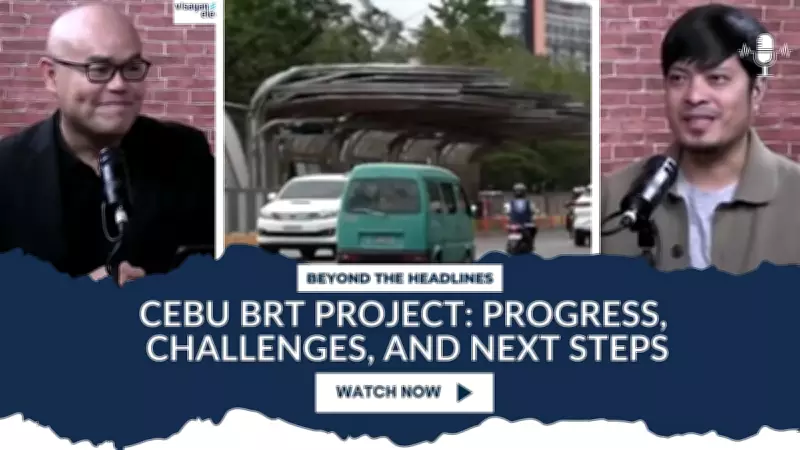
The Cebu Bus Rapid Transit (BRT) project, a major public transport initiative in the Philippines, is making steady progress with significant infrastructure developments. However, it continues to face challenges such as delays and funding constraints, which impact its timeline and implementation. This project aims to revolutionize urban mobility in Cebu City by providing a faster, more efficient bus system to alleviate traffic congestion and improve commuter experiences.
Current Progress and Infrastructure Milestones
Recent updates indicate that key components of the Cebu BRT project are advancing, including the construction of dedicated bus lanes and station facilities. These infrastructure milestones are crucial for establishing a reliable transit network that can handle high passenger volumes. The project has seen progress in land acquisition and engineering works, with several segments nearing completion to support initial operations.
Challenges and Obstacles
Despite the progress, the Cebu BRT project encounters multiple challenges. Delays have arisen due to logistical issues and coordination with local stakeholders, affecting the overall schedule. Funding remains a critical concern, with budget allocations needing optimization to ensure sustainable development. Additionally, environmental and social impact assessments require careful management to address community concerns and regulatory compliance.

Next Steps and Future Plans
Looking ahead, the next steps for the Cebu BRT project involve accelerating construction phases and securing additional funding sources. Plans include expanding the network to cover more routes and integrating smart technology for real-time tracking and payment systems. Stakeholder engagement and public consultations will be prioritized to enhance project transparency and community support, aiming for a fully operational system in the coming years.
Impact on Urban Mobility and Sustainability
The successful implementation of the Cebu BRT project is expected to have a profound impact on urban mobility, reducing travel times and carbon emissions. By promoting sustainable transport options, it aligns with global efforts to combat climate change and improve air quality. This initiative could serve as a model for other cities in the Philippines seeking to upgrade their public transport infrastructure.