Cebu City Implements Shared Corridor System to Ease Traffic Congestion
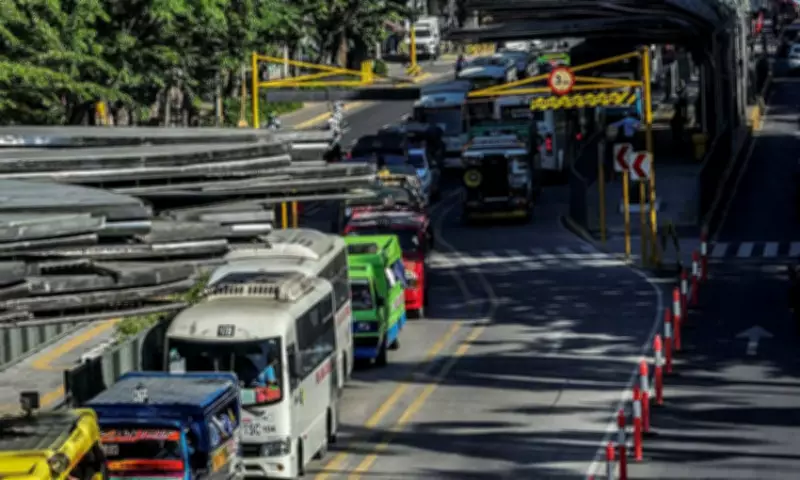
Cebu City has officially transformed the Cebu Bus Rapid Transit (CBRT) into a "shared corridor," permitting traditional jeepneys to utilize the dedicated bus lanes. Mayor Nestor Archival announced on Monday, March 23, 2026, that this strategic move is already demonstrating positive effects in alleviating the city's severely congested outer lanes.
Addressing Traffic Bottlenecks
Prior to this significant change, the dedicated CBRT lanes frequently remained empty while the outer lanes experienced bumper-to-bumper traffic. Mayor Archival elaborated that by relocating Public Utility Vehicles (PUVs) into the center lanes, the city has successfully diminished the bottlenecks caused by constant stops along the roadside.
Under the newly established regulations, all vehicles operating within the shared lane are mandated to stop exclusively at designated stations. This policy shift aims to eradicate the habitual practice of random loading and unloading, which officials identify as a primary contributor to traffic jams.

Commuter Adaptation Challenges
While the initiative is designed to accelerate travel times, it has not been without its challenges. Numerous commuters have voiced complaints regarding the increased walking distances required to reach official stops.
"In Cebu, we are accustomed to stopping and picking up passengers anywhere, and that is precisely what generates traffic," Mayor Archival stated. "There are numerous inquiries questioning why this implementation is necessary, but this is an adjustment we must collectively embrace."
Despite the enforcement of new rules, observers have continued to report instances of PUVs stopping in the middle of the road to discharge passengers, underscoring the difficulty of altering long-standing behavioral patterns.
Evolving Transportation Infrastructure
The city has clarified that the CBRT is currently in a "partial stage" and does not yet constitute a complete bus rapid transit system. Several critical factors are impeding the project from achieving its full potential:
- Low bus numbers: Only 17 of the 30 authorized buses are presently operational.
- Incomplete lanes: The dedicated route from Il Corso to IT Park remains unfinished, compelling buses and jeepneys into "mixed traffic" conditions.
- Pending routes: New "feeder routes" are still awaiting approval from the City Council, which is why jeepneys continue to be permitted on the main highway temporarily.
Raquel Arce, head of the Cebu City Transportation Office (CCTO), reminded the public that the CBRT project remains under the management of the National Government through the Department of Transportation (DOTr).
The CCTO is actively monitoring the shared-lane configuration and will compile its findings for submission to national officials. For the present, the city regards these interim measures as an essential step toward instilling order in Cebu's bustling urban thoroughfares.