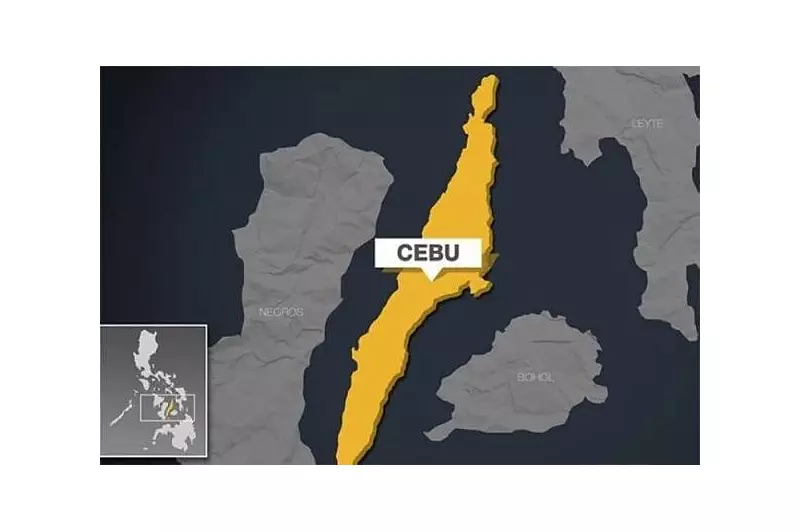
Property developers in Metro Cebu are raising the alarm, calling for an urgent and unified regional drainage master plan. They warn that repeated flooding, driven by outdated infrastructure, poses a severe threat to investment, housing projects, and the long-term economic expansion of one of the Philippines' fastest-growing regions.
Outdated Systems Cannot Handle Modern Growth
Harold See, president of the Subdivision and Housing Developers Association (SHDA) – Central Visayas, stated that recent destructive floods have exposed critical weaknesses in drainage networks. He emphasized that many of these systems were constructed in the 1980s and 1990s and are now completely inadequate for the scale and density of today's urban development across Metro Cebu.
"What we need is a unified drainage master plan for all of Metro Cebu, not fragmented solutions," See asserted. He pointed out that without a coordinated regional approach, even the best-planned private residential and commercial projects remain highly vulnerable to flood damage.

A Call for Government Leadership and Coordinated Action
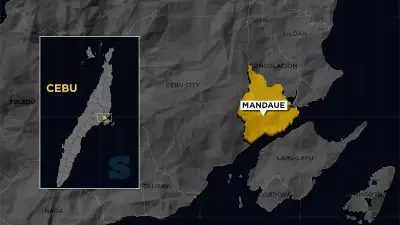
Following significant damage from successive typhoons and earthquakes, developers have initiated coordinated discussions with various local government units (LGUs) and regional planning bodies. The goal is to champion a metro-wide strategy that encompasses Cebu City, Mandaue, Lapu-Lapu, and other key neighboring growth areas.
See explained that while developers are often mandated to build internal drainage or connect to the nearest public outfall, these measures are limited by the absence of a robust, integrated public network. "Drainage has to be comprehensive. That’s something only government can lead," he stressed, highlighting the essential role of public sector initiative.
Infrastructure Bottlenecks Threaten Market Resilience
This urgent call comes as Cebu's property market continues to show strength, fueled by steady demand from students, overseas Filipino workers (OFWs), professionals, and families relocating from other provinces. However, See issued a clear warning: persistent infrastructure bottlenecks, particularly in drainage and water supply, could slow down new project launches and erode buyer confidence if not addressed decisively.
He advocates for a clear, science-based master plan supported by advanced flood mapping and historical data. Such a plan would guide both public investment and private development decisions, allowing potential homebuyers and investors to better assess and understand environmental risks.
"If Cebu wants to sustain its growth, infrastructure has to keep pace," See concluded. "A drainage master plan, and its implementation, is now urgent, not optional." Despite the challenges, he noted a constructive attitude among developers, citing positive engagement from some local and provincial officials and a renewed momentum for coordinated planning across the entire Metro Cebu region.