Cebu City Residents Voice Strong Opposition to CCLEX Guadalupe Ramp Project
A proposed extension of the Cebu-Cordova Link Expressway (CCLEX) is facing significant resistance from local communities in Cebu City. The Guadalupe Ramp Project, a 1.5-kilometer addition, aims to connect the iconic bridge directly to central Cebu City, but residents along its path are raising alarms about potential displacement and the erosion of their historical roots.
Public Hearing Highlights Community Concerns
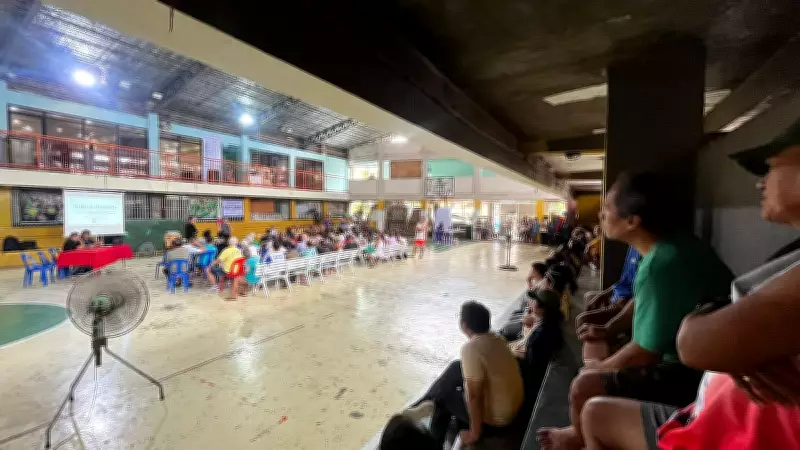
During a public hearing held on Tuesday, February 3, 2026, families from Barangays Pasil, San Nicolas, and Ermita gathered to express their deep-seated worries. The project, currently in its pre-approval phase, has already identified 99 lots and 103 structures that could be affected, sparking fears of losing homes and community landmarks.
What Is the Guadalupe Ramp Project?
The initiative is designed to link the CCLEX bridge to the intersection of C. Padilla and Tres de Abril streets. Its primary goal is to create a bypass route, allowing drivers from the south to reach the airport without encountering traffic congestion in Mandaue City or downtown areas. The design features a 30-meter-wide ramp that begins at ground level and ascends on columns, following the course of the Guadalupe River.

Key Concerns Raised by Residents
Residents have articulated several critical issues during the hearing:
- Loss of Ancestral Homes: Many families have resided in these properties for over six decades and fear relocation to sites far from the city center, disrupting their livelihoods and social networks.
- Threat to Community Identity: The youth of Barangay Pasil are particularly concerned that the project could destroy the historical character of their neighborhoods, including local traditions and culinary heritage.
- Disruption of Essential Services: Vital community facilities, such as barangay halls, day care centers, and sports complexes, are situated directly in the project's path, raising questions about their future.
- Increased Flooding Risks: Residents worry that placing large pillars in the Guadalupe River could obstruct water flow, exacerbating flood conditions during heavy rainfall events.
Legal and Financial Implications
Many affected individuals are anxious about receiving just compensation, especially those without formal land titles who rely on tax declarations. Lawyer Rosemarie Versoza, representing the Cebu Cordova Link Expressway Corporation (CCLEC), provided reassurances during the hearing. She emphasized that no construction will commence until all environmental permits and city approvals are secured. Versoza stated, "Affected owners will receive offer letters... and owners have the right to reject these offers." She further noted that property valuations are expected to exceed standard government rates, potentially offering better financial terms for residents.
Relocation and Mitigation Plans
While the private company is responsible for building the ramp, the Cebu City Government will oversee the relocation of displaced residents. Project proponents have committed to several mitigation measures:
- Restoration of Services: Rebuilding or relocating any demolished sports complexes and day care centers to maintain community access.
- River Cleanup: Clearing trash and siltation from the Guadalupe River to help mitigate flooding risks.
- Environmental Management: Implementing measures to control dust and noise pollution throughout the construction phase.
Next Steps and Community Action
The project is currently awaiting an Environmental Compliance Certificate, with no definitive start date for construction as negotiations between the city, developers, and affected families continue. In response, the youth of Barangay Pasil have initiated a signature campaign, urging Mayor Nestor Archival and Vice Mayor Tomas Osmeña to halt the project. This grassroots effort underscores the community's determination to protect their homes and heritage from potential disruption.