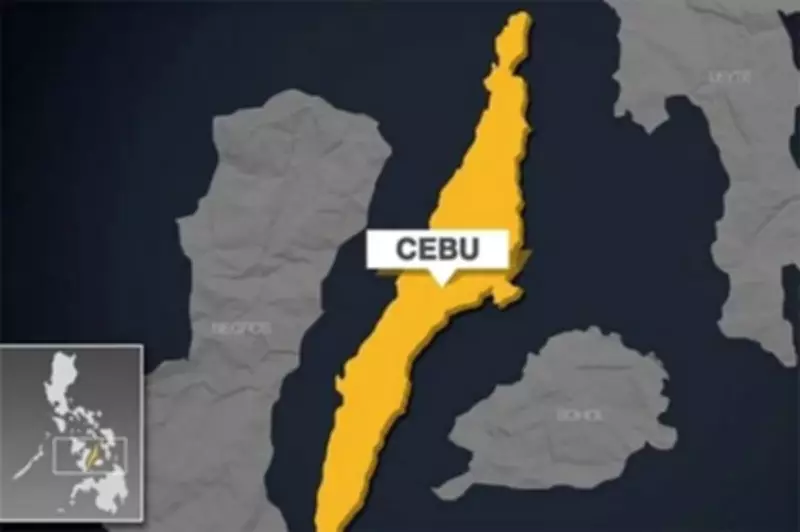
The Department of Public Works and Highways (DPWH) is planning a massive P7 billion project to build dams and reservoirs across Cebu. This long-term initiative aims to address the frequent flooding that affects the province while also ensuring a steady supply of water and electricity.
A 4-in-1 Solution
DPWH Regional Director Simon Arias announced on Thursday, April 23, 2026, that the new structures will be constructed along seven major rivers: Mananga, Bulacao, Guadalupe, Butuanon, Cotcot, Danao, and Lusaran. Unlike traditional flood walls or dikes, these facilities are designed to perform four functions simultaneously: flood control, hydropower generation, irrigation for agriculture, and provision of clean drinking water.
"This is a long-term solution to flooding," Arias said. "At the same time, these dams will serve as hydropower, domestic water supply, and irrigation. It is basically a four-in-one structure."

Timeline and Funding
Given the scale of the project, Arias noted that completion could take up to 10 years. He has requested approximately P1 billion per river to initiate the work. If the National Government approves the funding, construction could begin as early as 2027. Prior to any digging, experts will conduct feasibility studies to ensure the sites are safe and effective.
Support from the Province
Governor Pamela Baricuatro is backing the plan, emphasizing that Cebu has long needed better water storage. She highlighted the province's struggles during El Niño, which causes prolonged dry spells and water shortages. "I wish we had water reservoirs to reserve water because it would really help us now, but unfortunately we just have to make do with what we have," Baricuatro said.
To address immediate needs, the Governor mentioned that the province has received P720 million from the national government's Local Government Support Fund. This funding is allocated for rice purchases for residents and smaller infrastructure projects aimed at mitigating climate change impacts.
Looking Toward the Future
The Governor's primary goal is to ensure that "no Cebuano will go hungry" during environmental crises. Local leaders are currently meeting with water experts and the Metropolitan Cebu Water District to finalize strategies for long-term water security. As climate change makes weather patterns more unpredictable, these reservoirs represent a major step toward protecting Cebu's residents and ensuring they have the water and safety they need for years to come.