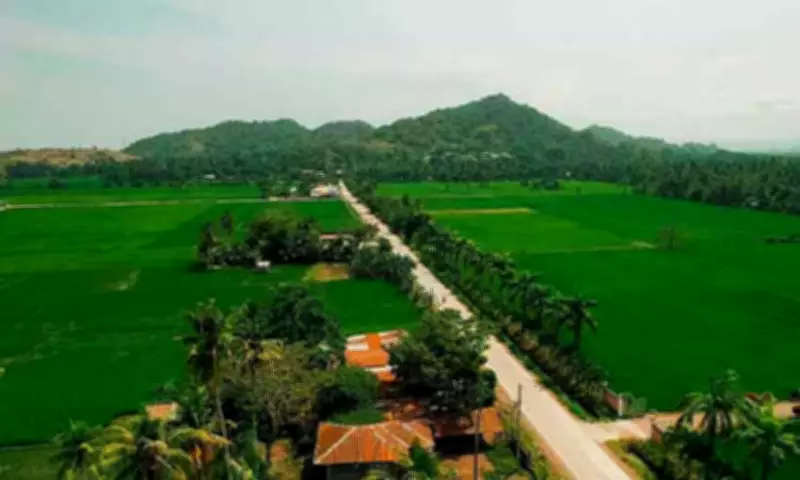
Residents and motorists in Padada, Davao del Sur, are now celebrating a significant milestone with the official turnover of two major infrastructure projects on Thursday, January 22, 2026. The event, spearheaded by Governor Yvonne R. Cagas, marks a pivotal step toward improving local connectivity and community facilities in this vibrant region.
Key Infrastructure Projects Unveiled in Padada
One of the standout initiatives is the newly paved provincial road that connects the barangay boundary between Lower and Upper Malinao in Padada. Constructed at a cost of ₱3,998,000, this road spans 388.48 meters in length and five meters in width. It is designed to enhance travel safety and efficiency for a diverse group of users, including students, farmers, commuters, and motorists, by providing a smoother and more reliable pathway.
During the turnover ceremony, Governor Cagas emphasized the importance of continuing the legacy of the late Governor Dodo Cagas. She stated, "Ipadayon nato ang mga programa nga gibilin ni late Governor Dodo Cagas ilawum sa I HELP I SHARE +++, especially ang infrastructure, kay mao na'y makahatag og dakong paglaum sa katawhan — labi na sa atong mga estudyante kay dali na lang ang ilang pagbyahe kay dili na lubak-lubak ang dalan." This translates to a commitment to infrastructure as a source of hope, particularly for students who will benefit from easier travel on pothole-free roads.

Enhanced Community Space with Barangay Gymnasium
In addition to the road, the newly repaired Upper Limonzo Barangay Gymnasium was inaugurated, representing a ₱2,499,000 investment. This facility is set to serve as a versatile venue for sports activities, community meetings, and various gatherings, fostering social cohesion and recreational opportunities for local residents.
The event garnered strong support from local leaders, with attendees including 2nd District Board Members Mark Joel Gallardo, Atty. Carmelo delos Cientos III, Atty. Gladys Gascon, Dyane Idulsa, and Kyra Valentin. Mayor Juwill Carpentero, Vice Mayor Jinggoy delos Cientos, and several municipal councilors also participated, highlighting the collaborative effort behind these projects.
Infrastructure as a Catalyst for Rural Development
Experts underscore that road improvements, such as the one in Padada, transcend mere convenience; they act as powerful catalysts for rural development. In many remote areas of the Philippines, enhanced road networks play a critical role in connecting farmers to markets, reducing transport costs, minimizing post-harvest losses, and improving access to essential services like schools and healthcare facilities.
For instance, the Department of Agriculture has highlighted that better roads facilitate the seamless flow of agricultural goods, which in turn lowers transportation expenses and strengthens food security across the nation. Similarly, farm-to-market roads have proven effective in alleviating mobility challenges for farmers, enabling timely delivery of produce to markets and boosting overall agricultural productivity.
Global indicators, such as the Rural Access Index developed by the World Bank, further emphasize the broader developmental significance of rural roads. These infrastructure elements are key factors in expanding access to education, employment opportunities, and healthcare services, correlating with reductions in poverty levels and the creation of wider economic prospects.
Local Impact and Future Prospects
For farmers and motorists in Padada and neighboring barangays, the newly completed road promises not only smoother daily travel but also reduced vehicle wear and tear, shorter travel times, and safer conditions in all weather scenarios. This is particularly crucial during the rainy season when unpaved roads can become hazardous and difficult to navigate.
Residents and local government officials alike express optimism that these improvements will serve as foundational building blocks for more inclusive growth and opportunity. Communities that have long been hindered by inadequate infrastructure now look forward to a brighter future, with enhanced connectivity paving the way for sustained development and improved quality of life in Davao del Sur.