Cebu is poised for a significant economic boost, with nearly 2,900 new jobs expected to emerge over the next two years. This surge in employment is linked to P16.81 billion worth of investment projects registered with the Board of Investments (BOI) that are scheduled to commence commercial operations in 2025 and 2026.
Cebu as a Top Visayan Investment Hub
As of October 2025, Cebu has solidified its status as a premier investment destination in the Visayas. The province ranked second in the region for BOI-registered investments, with approved projects totaling P20.7 billion. This places Cebu ahead of Negros Occidental (P12.3B), Iloilo (P10.8B), Leyte (P10.5B), and Bohol (P10.3B), though it trails behind regional leader Samar, which recorded P28.9 billion in approved investments.
The BOI-Cebu office reported that the projects registered from January to October 2025 are projected to create approximately 2,877 direct jobs. This influx is a welcome development for the local labor market as Cebu navigates ongoing challenges to maintain its growth trajectory.

Sectors Driving Growth and Key Projects
The services sector remains the cornerstone of Cebu's investment appeal. Significant activity is concentrated in:
- Tourism, accommodation, and food services
- Transport and logistics
- Healthcare
In contrast, agriculture, forestry, and fishing contribute less than one percent to the provincial output, highlighting Cebu's urbanized, service-oriented economy.
A major project set to bolster medium-term growth is the expansion of the Mactan-Cebu International Airport. Phase 2, focusing on the operations and maintenance of Terminal 2, aims to increase passenger capacity and improve overall efficiency, strengthening Cebu's tourism and logistics networks.
Furthermore, Cebu is benefiting from the national Green Lane Initiative, securing four certified projects with a combined value of P44.65 billion. All these projects are in renewable energy, signaling a strategic push to stabilize power supply and reduce long-term energy costs for businesses.
Navigating Challenges for Sustainable Growth
Despite strong investor confidence, several bottlenecks persist. Industry players have identified key operational hurdles:
- Manufacturers cite high electricity costs and dependence on imported raw materials.
- IT-BPM firms face intensifying competition for skilled talent.
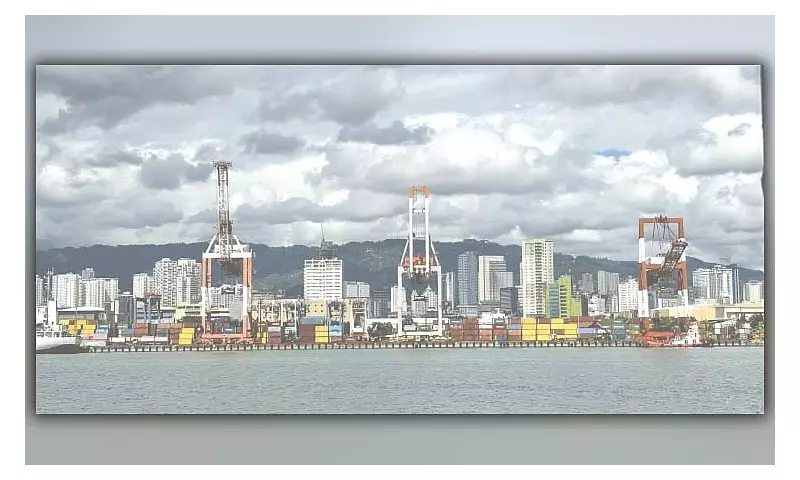
- Logistics companies grapple with congestion, rising transport costs, and weather-related disruptions.
In response, the BOI is prioritizing solutions under the Strategic Investment Priority Plan. The focus is on fast-tracking projects in energy generation, renewable energy, and critical infrastructure like transport, ports, and airports. Public-private partnerships are being leveraged to address these structural constraints and support Cebu's long-term, sustainable development.