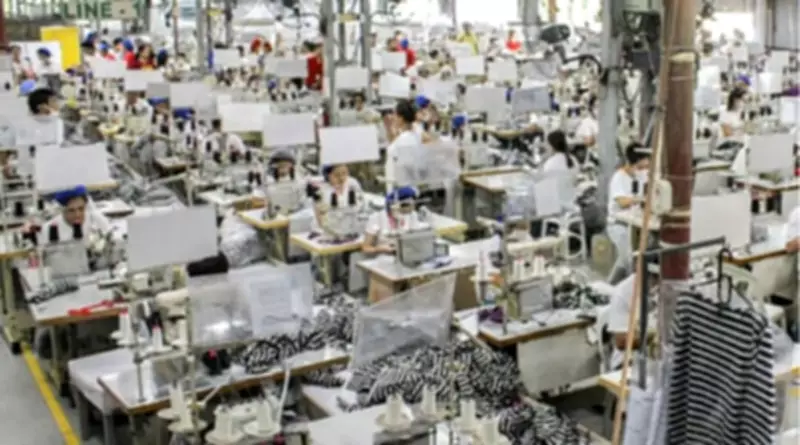
In a significant blow to the local economy, more than 500 employees have been left jobless after a garment factory ceased operations at the Mactan Export Processing Zone (MEPZ) 2 in Lapu-Lapu City. The shutdown, attributed to a severe shortage of orders, has impacted hundreds of workers, marking one of the largest job loss incidents in the region this year.
Impact on Workers and Immediate Response
Kim Francisco, head of the City Public Employment Services Office (Peso), confirmed that the Taiwanese-owned sports apparel factory halted its activities on March 14, 2026, affecting a substantial number of employees. The affected workers have been endorsed to the Department of Social Welfare and Development (DSWD) for financial assistance and to the Department of Labor and Employment (DOLE) Region 7 for livelihood programs, aiming to mitigate the economic fallout.
Support Measures Implemented
To address the immediate needs of the displaced workforce, local authorities have rolled out several support initiatives:

- At least 50 workers have already benefited from a government rice subsidy program, where rice was sold at P20 per kilo on March 31.
- Nearly 400 residents of Lapu-Lapu City have been referred to the City Social Welfare and Development Office (CSWDO) for additional rice aid.
- Beyond financial help, the jobless individuals are being offered opportunities to apply at another garment factory with an estimated 500 vacant positions, providing a potential pathway to reemployment.
Broader Context of Factory Closures
This incident is not isolated, as Francisco noted that a Japanese locator in MEPZ 1 also stopped operations in December 2025, though it was only reported to Peso in March. That closure affected 39 employees from a company manufacturing xenon tubes, a small component used in laser equipment for beauty or skin care enhancement. The consecutive shutdowns highlight ongoing challenges in the export processing zones, potentially linked to global market fluctuations and reduced demand.
The Lapu-Lapu City government continues to monitor the situation closely, emphasizing collaboration with national agencies to ensure comprehensive support for those impacted by the factory closures. As the community grapples with these job losses, efforts are focused on stabilizing livelihoods and fostering economic resilience in the face of industrial setbacks.