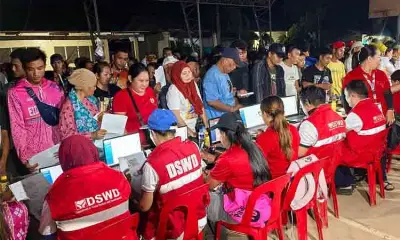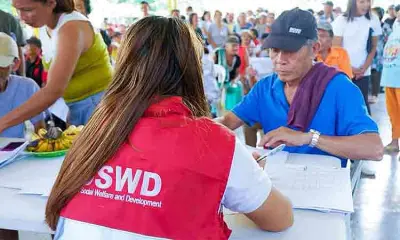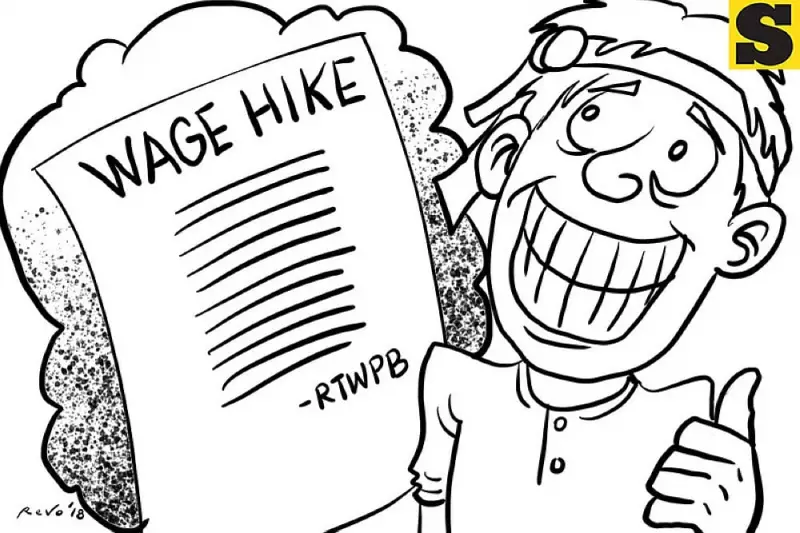
The Department of Labor and Employment (DOLE) has announced a significant boost in income for hundreds of thousands of household helpers across the nation. In 2025, eleven regional wage boards successfully issued orders raising the monthly minimum wage for domestic workers, directly impacting an estimated 755,000 kasambahays.
Which Regions Approved the Wage Increases?
The wage orders were not applied nationwide but were determined regionally based on consultations. According to the DOLE statement released on January 2, 2026, the eleven Regional Tripartite Wages and Productivity Boards (RTWPBs) that granted the increases cover a wide geographical area.
The benefiting regions include Cordillera Administrative Region (CAR), Ilocos Region, Cagayan Valley, Central Luzon, and Mimaropa. In the Visayas, domestic workers in Western, Central, and Eastern Visayas saw their pay rise. In Mindanao, the wage orders covered Northern Mindanao, Soccsksargen, and the Caraga region.

Range of Increases and the Process Behind Them
The approved pay hikes varied significantly from one region to another, reflecting local economic conditions. The DOLE reported that the increases ranged from a minimum of P300 to a maximum of P2,000 per month. This adjustment represents a crucial uplift for workers in a sector historically vulnerable to low wages.
The department emphasized that these orders were not arbitrary. Each RTWPB conducted public consultations and hearings, gathering input from both workers and employers. This tripartite process aims to balance the protective needs of domestic workers with the financial capacities of their employers.
Impact and Significance for the Labor Sector
This widespread implementation of wage orders for domestic workers marks a progressive step in Philippine labor law enforcement. The Kasambahay Law (Republic Act 10361) mandates these periodic wage reviews, and the action of eleven regions in a single year demonstrates substantial compliance.
The direct benefit to an estimated 755,000 workers underscores the scale of the domestic work sector in the country. For many families, this increase provides a buffer against inflation and improves household economic security. The DOLE statement highlighted that the wage orders were issued to "ensure balance between protection and needs," a core principle of equitable labor policy.