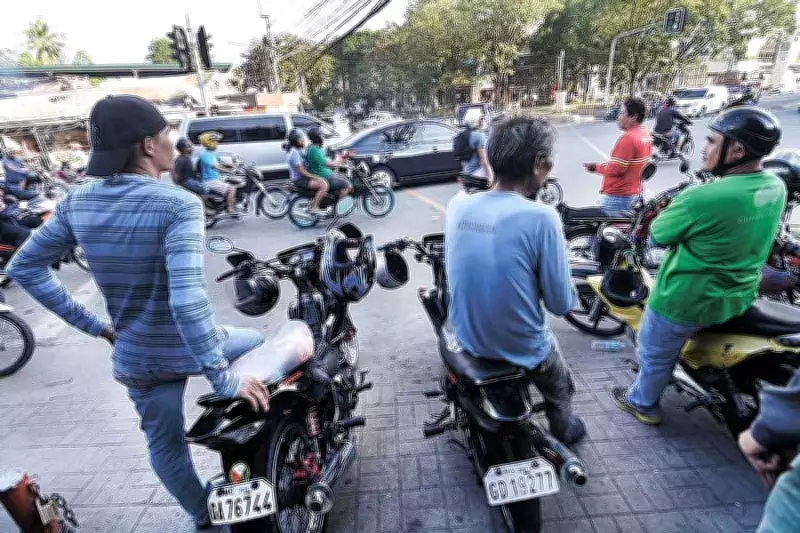
In a significant move to support local transport workers, the Cebu Provincial Government has announced that habal-habal drivers will begin receiving P3,000 in financial aid starting Wednesday, April 15, 2026. The distribution will kick off in Cordova City, as confirmed by Cebu Provincial Executive Assistant Elizar Sabinay during a press briefing.
Verified Drivers and Requirements
According to official government lists, approximately 5,000 drivers have been verified to qualify for the assistance program funded by the Capitol. Sabinay noted that the number is increasing, stating, "We initially counted 5,000 but right now it’s increasing." To be eligible, drivers must be members of an association and possess a valid driver's license. Sabinay explained, "They must be part of the association, what they call toda-toda, but not all forms an association, so right now knowing this, they are forming associations."
Program Scope and Funding
The program targets between 3,000 and 5,000 drivers, utilizing a budget of P100 to P250 million allocated for affected sectors. In addition to the financial aid, drivers will also receive rice based on local government lists. This dual support aims to alleviate economic pressures on these essential transport workers.

Distribution Strategy
Cordova City was selected as the first distribution site due to its proximity, with subsequent clusters in the southern and northern parts of the province to follow. This phased approach ensures efficient and organized aid delivery across Cebu.
Broader Initiatives
This announcement follows recent efforts by the Capitol, which began distributing 10-kilogram sacks of rice to Public Utility Jeepney (PUJ) drivers on April 9, 2026. Furthermore, a Caravan of Services is planned to deliver rice directly to various localities within the province, expanding the reach of these support measures.
The initiative underscores the government's commitment to assisting transport sector workers amid ongoing challenges, providing both immediate financial relief and essential food supplies to sustain their livelihoods.