The Department of Migrant Workers (DMW) and the Global Anti-Scam Alliance (Gasa) have formalized a significant partnership through a memorandum of understanding, aimed at bolstering protection for overseas Filipino workers (OFWs) against online scams and other cyber-enabled fraud schemes. This collaboration seeks to expand digital safety initiatives and enhance cross-border coordination to address evolving scam threats effectively.
Strengthening Cooperation and Intelligence Sharing
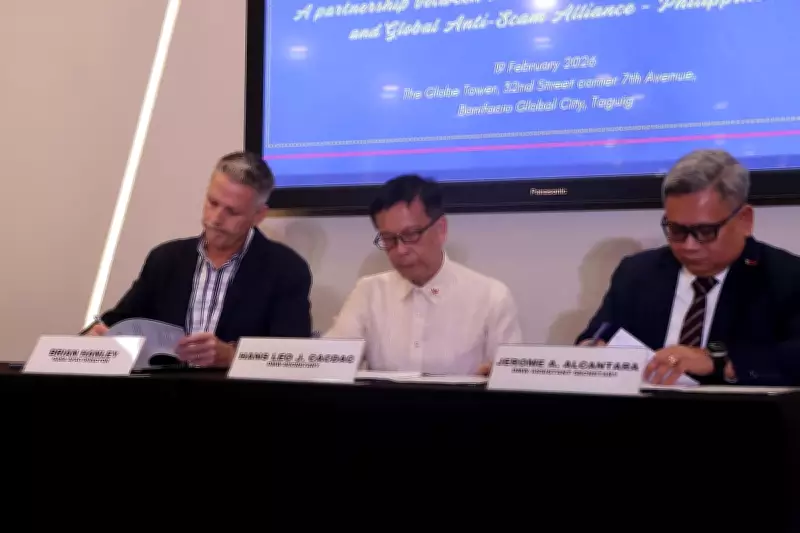
The agreement was signed during a ceremony attended by DMW Secretary Hans Leo J. Cacdac and Gasa Asia-Pacific Director Brian Hanley, along with other officials from the agency and partner organizations. The initiative is specifically designed to improve the protection of Filipino migrant workers, who heavily rely on digital communication and financial transactions while living and working abroad.
Under the terms of the MOU, the DMW and Gasa will strengthen cooperation on intelligence sharing related to emerging scam patterns, with a particular focus on those targeting migrant workers and their families. The partnership also aims to develop comprehensive programs that help OFWs recognize and prevent fraudulent schemes before financial losses occur, thereby safeguarding their hard-earned income.

Support from Private Sector and Coalition Partners
Globe Telecom, which chairs the Gasa Philippines Chapter, has expressed strong support for the initiative, highlighting the critical importance of coordinated action among public and private sector groups in combating cybercrime. The telecommunications firm has been actively involved in digital safety programs and anti-scam awareness campaigns across the country.
The Gasa Philippines coalition includes a diverse array of technology and financial companies such as Gogolook, Meta, Google, and Mastercard, as well as local partners like Scamwatch Pilipinas. The Cybercrime Investigation and Coordinating Center (CICC) participates in the coalition as an observer, adding governmental oversight to the efforts.
Expanding Awareness and Digital Literacy Programs
Through this partnership, participating organizations plan to expand public awareness campaigns, conduct joint training programs, and develop research initiatives aimed at identifying new scam trends affecting Filipino migrant workers. Officials emphasized that the collaboration will also focus on improving digital literacy among OFWs and their families.
This includes providing practical guidance on verifying suspicious messages or transactions and identifying warning signs of potential fraud. Secretary Cacdac stated that the initiative seeks to ensure that the earnings of Filipino workers abroad are protected from criminal activity, underscoring the necessity of stronger information sharing and coordinated responses to scams that often operate across national borders.
Aligning with Broader Cybersecurity Efforts
Globe officials noted that the partnership aligns with the company’s broader efforts to promote cybersecurity, responsible artificial intelligence use, and privacy governance in the digital space. They pointed out that scams are becoming increasingly sophisticated, requiring collective action from multiple sectors to effectively counteract them.
The DMW-Gasa collaboration is expected to expand resources and support mechanisms for overseas Filipino workers as digital threats continue to evolve. Stakeholders involved in the initiative have stressed that it underscores the need for sustained cooperation between government agencies, technology firms, and international organizations in protecting migrant workers worldwide.