Senator Imee Marcos Advocates for Payment Relief During National Energy Emergency
In a significant move to alleviate the financial strain on Filipino workers, Senator Imee Marcos has called for the immediate suspension of monthly obligation collections from employees by key government agencies. This appeal comes as the nation grapples with a declared State of National Energy Emergency, triggered by escalating fuel costs and rising prices of basic commodities.
Urgent Call to Action for Government Agencies
In a statement released on Friday, March 27, 2026, Senator Marcos specifically urged the Social Security System (SSS), Government Service Insurance System (GSIS), Pag-ibig Fund, and PhilHealth to implement a temporary halt on collections and a moratorium on loans. She emphasized that this measure is crucial to support workers, farmers, fisherfolk, and small business owners who are bearing the brunt of the ongoing energy crisis.
"The crisis in gasoline and crude oil is a heavy burden on the daily lives of every Filipino, especially our workers. It is only right that we give them at least a month or more of extension in paying their obligations," Marcos stated. She further added, "We should not deduct from their salaries for now. Let us give it in full so they can somehow keep up with the incessant rise in the prices of goods."

Historical Precedent and Ongoing Challenges
Marcos highlighted that similar relief measures were successfully implemented during the pandemic and past calamities, aiding affected sectors in their recovery. She pointed out that the current energy crisis lacks clarity on its duration, making immediate assistance essential. "This crisis continues without clarity on when it will end. It is only right that we do everything we can to help our people," she asserted.
The call for action follows President Ferdinand "Bongbong" Marcos Jr.'s declaration of a State of National Energy Emergency on Tuesday, March 24, 2026. This declaration was prompted by the ongoing conflict in the Middle East, which poses an imminent threat to the availability and stability of the country's energy supply.
Impact of Soaring Fuel Prices and Supply Issues
The urgency of the situation is underscored by recent fuel price adjustments. As of this week, gasoline pump prices have surged to over P130 per liter, while diesel costs range from P82 to P112 per liter and kerosene from P111 to P165 per liter. These increases have exacerbated the financial pressure on households and businesses alike.
Compounding the problem, the number of gasoline stations forced to close due to fuel supply shortages has risen to 425, up from 403 earlier in the week, according to PNP monitoring as of March 27. PNP spokesperson Brigadier General Randulf Tuaño attributed these closures to a lack of supply, though investigations into potential hoarding and profiteering are ongoing.
Government Response and Support Measures
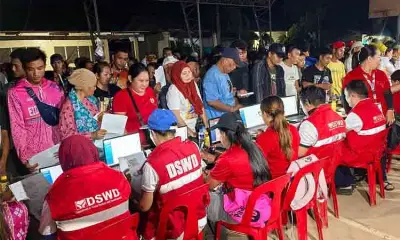
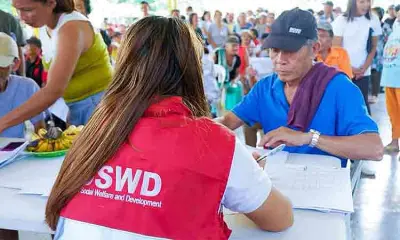
In response to the crisis, the National Government has initiated relief efforts through the Department of Social Welfare and Development and the Department of Transportation. These agencies are distributing cash aid to mitigate the impact of rising fuel costs, particularly for public utility vehicle drivers. However, Senator Marcos's proposal aims to provide broader, immediate relief by easing the deduction burden on employees' salaries across the board.
As the energy emergency persists, the debate over effective support mechanisms continues, with Marcos's call highlighting the need for proactive measures to safeguard the economic well-being of Filipinos during these challenging times.