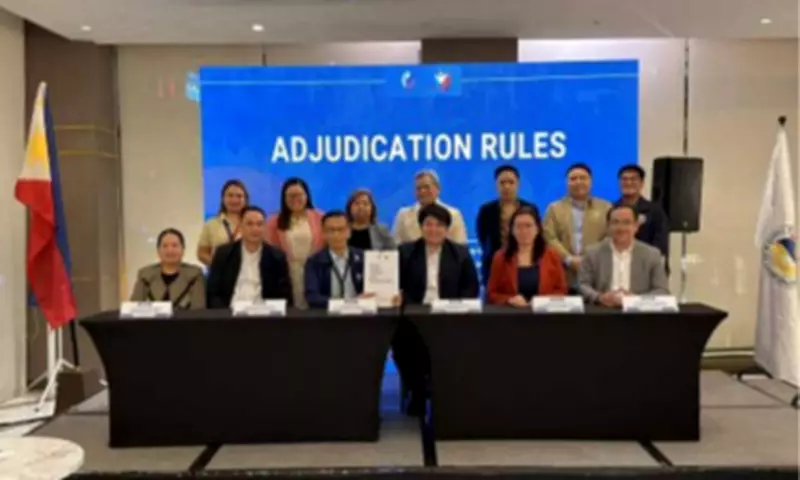
DMW Introduces New Adjudication Rules to Accelerate Justice for Overseas Filipino Workers
The Department of Migrant Workers (DMW) has officially launched new Rules of Procedure for the Adjudication of Cases, designed to significantly expedite legal resolutions for overseas Filipino workers (OFWs). This landmark policy shift aims to bring justice closer to workers and their families through streamlined processes and technological integration.
Decentralizing Justice: Regional Offices Take Center Stage
Under the new framework, adjudication powers are being devolved to DMW Regional Offices across the Philippines. Secretary Hans Leo Cacdac formally signed the rules during the Department-Wide 2025 Year-End Performance Assessment and 2026 Corporate Planning event in Quezon City on February 12, 2026.
"Hearings can now be conducted by Overseas Employment Adjudicators at regional offices, with Regional Directors authorized to issue and sign Orders for cases filed after the effective date of Republic Act 11641," the DMW announced. This structural change eliminates the need for workers to travel to central offices, making the legal system more accessible and responsive to local needs.

Embracing Digital Transformation
Aligned with President Ferdinand R. Marcos Jr.'s digitalization agenda, the new rules incorporate several technological advancements:
- Electronic filing and service of pleadings to reduce paperwork delays
- Videoconferencing capabilities for hearings, allowing OFWs abroad or in remote areas to participate fully
- Standardized on-site complaint procedures to ensure accuracy and prompt action
The DMW emphasized that "from conciliation to appeal, the process is carefully structured to improve efficiency, accountability, and due process."
Enhanced Protections for Vulnerable Cases
The updated rules introduce stronger safeguards for serious violations and vulnerable populations:
- Enhanced issuance of Orders of Preventive Suspension for cases involving human trafficking, illegal recruitment, deployment of minors, or incidents where workers experience severe harm
- Assignment of Gender and Development, Equality and Social Inclusion (GEDSI)-trained adjudicators to handle gender-sensitive cases
- Clear grounds for dismissing baseless cases to prevent unnecessary delays in the system
"This policy formalizes a rights-based adjudicatory system centered on transparency, accessibility, and swift resolution," the DMW stated, affirming the government's commitment to ensuring prompt and effective justice for OFWs.
The new Rules of Procedure represent a comprehensive overhaul of how migrant worker cases are handled, combining geographical decentralization with digital innovation to create a more efficient and equitable justice system for the Philippines' overseas workforce.