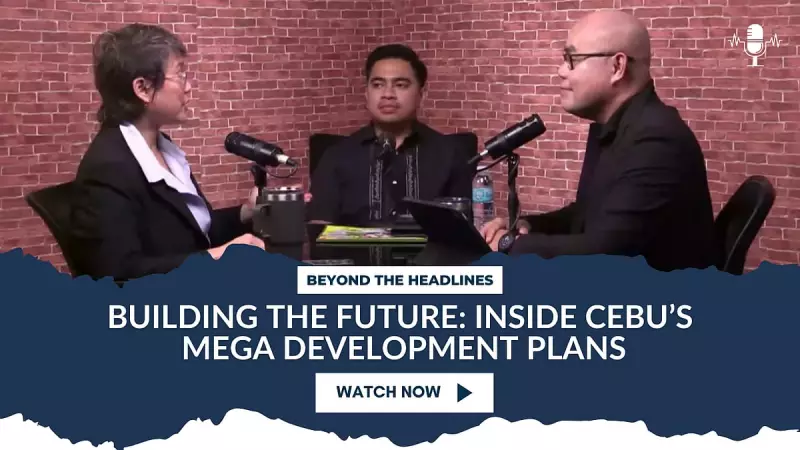
Cebu is poised for a dramatic transformation as multiple mega development projects worth billions of dollars move forward, signaling a new era of urban growth and economic expansion for the Central Visayas region. These ambitious initiatives represent the largest infrastructure push in recent memory, set to redefine the island's landscape and create unprecedented opportunities for residents and investors alike.
The Vision Behind Cebu's Urban Revolution
At the heart of this development surge are several landmark projects that collectively represent over $3 billion in investments across different sectors. Unlike previous development waves that focused on single districts or commercial centers, this new approach takes a comprehensive view of urban planning, integrating residential, commercial, and recreational spaces into cohesive communities.
The strategic vision behind these developments recognizes Cebu's unique position as both a historical center and a modern economic hub. Planners are working to balance preservation of cultural heritage with the demands of contemporary urban living, creating spaces that honor the past while embracing sustainable future technologies and design principles.

Major Projects Reshaping the Skyline
Among the most significant developments moving forward is a mixed-use township project that will create an entirely new urban center in previously undeveloped areas. This massive undertaking includes residential towers, commercial complexes, educational institutions, and healthcare facilities all within integrated, walkable communities.
Another flagship initiative involves the transformation of waterfront areas into modern business districts equipped with state-of-the-art infrastructure. These zones are specifically designed to attract multinational corporations and support the growing business process outsourcing industry that has become a cornerstone of Cebu's economy.
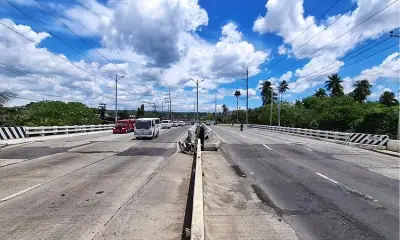
Transportation infrastructure forms a critical component of the development strategy, with new road networks and public transit systems planned to connect these new urban centers with existing metropolitan areas. The comprehensive approach addresses one of Cebu's most pressing challenges: traffic congestion and transportation efficiency.
Economic Impact and Community Benefits
The scale of these developments promises substantial economic benefits for the region. During construction phases alone, these projects are expected to generate thousands of jobs across various skill levels, from construction workers to engineering professionals and project managers.
Beyond immediate employment opportunities, the completed developments will create permanent positions in retail, hospitality, property management, and corporate services. This multi-layered job creation approach addresses both short-term economic stimulation and long-term sustainable employment.
Local businesses stand to benefit significantly from the influx of new residents and commercial activity. The developments include dedicated spaces for small and medium enterprises, ensuring that the economic benefits extend beyond large corporations to include homegrown businesses and entrepreneurs.
Community facilities form an integral part of the planning, with developers allocating space for public parks, recreational areas, and cultural venues. This focus on quality of life distinguishes these projects from purely commercial developments, creating environments where communities can thrive rather than just exist.
Sustainable Development and Environmental Considerations
Environmental sustainability represents a key priority throughout all development phases. Projects incorporate green building technologies, energy-efficient systems, and water conservation measures that exceed standard requirements. The integration of renewable energy sources and waste management systems demonstrates a commitment to reducing environmental impact.
Urban green spaces receive particular attention, with developers allocating significant areas for parks, gardens, and natural preserves. This approach not only enhances quality of life for residents but also helps mitigate the urban heat island effect and supports local biodiversity.

The developments employ cutting-edge water management systems designed to handle the challenges of Cebu's tropical climate while conserving precious water resources. Rainwater harvesting, greywater recycling, and efficient irrigation systems represent just some of the sustainable features being implemented.
The Future of Urban Living in Cebu
As these projects progress through various development stages, they collectively represent a fundamental shift in how urban spaces are conceived and created in the Philippines. The integrated approach combining residential, commercial, and recreational elements sets a new standard for future developments nationwide.
The timing of these initiatives aligns with Cebu's continued economic growth and its positioning as an alternative business center to Metro Manila. The developments will provide the physical infrastructure needed to support this expanded role while enhancing the island's appeal to both businesses and residents.
With careful planning and substantial investment, Cebu stands at the threshold of becoming a model for sustainable urban development in Southeast Asia. These mega projects not only address current needs but are designed with flexibility to adapt to future challenges and opportunities.
The transformation underway represents more than just physical construction—it signifies Cebu's evolution into a world-class metropolitan region that balances economic progress with environmental responsibility and community wellbeing. As these projects take shape over the coming years, they will undoubtedly redefine what urban living means in the heart of the Philippines.