Philippine Real Estate Sector Accelerates Beyond Metro Manila, Driven by Regional Growth
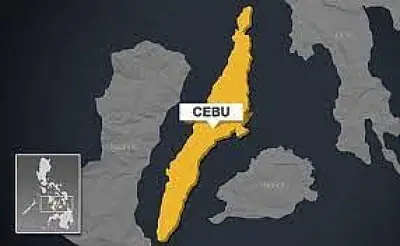
The thriving night skyline of Cebu City serves as a vivid symbol of the accelerating real estate expansion across the Visayas and Mindanao regions. Developers are increasingly moving beyond the traditional confines of Metro Manila to build vibrant, community-driven urban hubs that cater to local needs.
Expanding Horizons in Property Development
Jules Kay, managing director of the PropertyGuru Asia Property Awards, highlighted that the Philippine property sector is experiencing significant growth as developers explore new regions and market segments. "The last two years have actually been the biggest ever Philippines Property Awards in the whole of the 14 years," Kay stated during the national launch of the awards. "It's growing every year—not just more properties, but more regions around the Philippines."
He emphasized that while the market was once heavily concentrated in Metro Manila, development activity is now spreading to areas in the Visayas and Mindanao, thanks to improvements in infrastructure and connectivity.

Rise of Regional Developers Reshaping the Landscape
Cyndy Tan Jarabata, chief executive officer of Tajara Hospitality Group and chairperson of the awards' judging panel, noted the emergence of regional developers as key players in reshaping the country's real estate landscape. "In the early years, it was always the big conglomerates dominating the market," Jarabata explained. "But through the years we've seen boutique and regional developers grow and become major players."
Among those cited were Cebu-based developers such as Cebu Landmasters and AppleOne, along with newer entrants like Johndorf Ventures, which began with economic and socialized housing before expanding into commercial and office developments.
Community-Focused Projects and Tailored Approaches
Jarabata pointed out that regional developers are introducing projects that are more tailored to local communities, moving away from "cookie-cutter" development models. "There's no one-size-fits-all approach," she said. "Many regional developers craft projects that energize communities and respond to what local markets really need."
Industry observers also highlighted rising demand for housing developments outside urban centers, with developers expanding township projects and integrated communities. "Developers today think more about the community—what people will actually do there—not just the buildings," Kay added.
Affordable Housing as a Key Segment
Affordable housing has become a critical segment in the Philippines, with developers creating communities designed to serve a broader range of income groups. Kay noted that the Philippines was among the first markets in the awards program to highlight affordable housing categories, a trend now being adopted in other Asian countries.
Resilience Amid Global Uncertainties
Despite global uncertainties, including geopolitical tensions that could affect overseas Filipino workers (OFWs), Jarabata asserted that the Philippine property sector remains resilient due to strong domestic demand. "The Philippines has proven to be very resilient," she said. "We do have a strong OFW market, but we also have a very strong domestic market that continues to drive housing demand."
Infrastructure Improvements Opening New Areas
Infrastructure improvements—such as upgrades in airports, ports, and transportation networks—are helping open up new development areas, particularly in regional centers like Cebu and Clark, as well as emerging destinations across the Visayas and Mindanao.
Jarabata emphasized that expanding infrastructure and encouraging development in more regions will help decongest major cities while creating new opportunities for communities. "With over 7,600 islands, there are still many areas where development can happen," she said. "Part of our goal is to encourage growth beyond the usual locations."

Future Prospects and Award Entries
Organizers expect more entries this year for the awards as developers launch projects in new regions and expand into sectors such as township developments, hospitality, and industrial estates. This trend underscores the dynamic and evolving nature of the Philippine real estate market, driven by innovation and regional expansion.