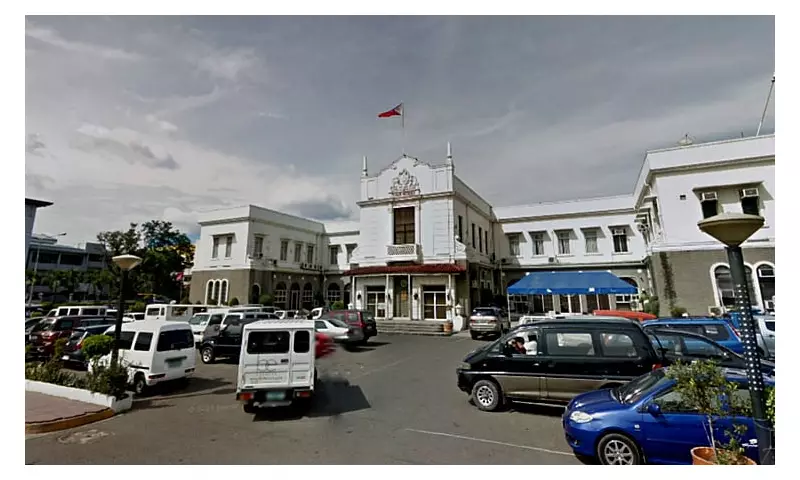
In a move designed to support local enterprises, the Mandaue City Government has decided to implement only half of the mandated business tax increase for the year 2026. This provides significant relief to thousands of business owners still grappling with the aftermath of recent calamities.
A Staggered Approach to Mandated Increases
Instead of applying the full 10 percent adjustment permitted by national law, the city will enforce only a five percent rise this year. The remaining five percent is scheduled to take effect in 2027. This phased implementation follows a formal recommendation from Mayor Thadeo Jovito “Jonkie” Ouano, which was channeled through the Local Finance Committee.
August Lizer Malate, the head of the Business Permit and Licensing Office (BPLO), clarified that adjusting business tax rates, fees, and charges is a regular policy under Republic Act 7160, the Local Government Code of 1991. He emphasized that such increases are allowed every five years, with a cap of 10 percent. Mandaue City has historically followed this cycle, with previous adjustments occurring in 2006, 2011, 2016, and 2021.

Malate explained that the increase applies to the tax rate, not a fixed amount. For instance, if a business tax rate is one percent of gross sales, a 10 percent hike would adjust it to 1.1 percent. Similarly, a fee of 100 pesos would increase to 110 pesos. This change is expected to impact approximately 16,000 to 17,000 businesses in sectors like wholesale and retail trade, transportation, real estate, manufacturing, and accommodation.
Business Sector Welcomes Manageable Compromise
The local business community has expressed support for the city's staggered approach, viewing it as a practical compromise during a challenging recovery period. Mark Ynoc, President of the Mandaue Chamber of Commerce and Industry (MCCI), acknowledged that while businesses need recovery aid, they also recognize the importance of taxes for funding public services and infrastructure.
"This staggered and gradual implementation is already quite helpful and helps strike a balance in the economy," Ynoc stated. He added that tax compliance is critical for long-term growth, and the phased increase gives firms vital breathing room to rebuild operations and cash flow.
Malate further noted that the actual tax payment remains tied to a business's declared gross sales. Firms that experienced a decline can pay less, provided they submit proper documentation such as BIR reports and audited financial statements.
Balancing Revenue Needs with Economic Relief
City officials underscored that the decision aims to balance the need to strengthen municipal coffers with the reality of economic strain on businesses. Councilor Joel Seno, chairperson of the Committee on Appropriation, Budget and Finance, confirmed that the enabling ordinance was passed in the second week of December 2025 and took effect on January 1, 2026.
"In light of recent events that affected not only Mandaue City but also other parts of Cebu Province, we decided to give our business sector some relief," Seno explained. The approach seeks to prevent a negative ripple effect on consumer prices and employment.
Malate highlighted that the additional revenue is crucial as inflation drives up the costs of city operations, from service vehicles to construction materials. The funds will help maintain public services and finance infrastructure projects. For business owners like Jera Marie Reponoya, even a five percent increase is challenging, but she acknowledged that a gradual hike is far more manageable than a full 10 percent increase at once, especially after holiday bonuses and annual renewals.
This measured policy reflects a concerted effort by Mandaue's leadership to foster economic resilience, ensuring compliance with the law while actively supporting the local business ecosystem's recovery.