ASEAN Tourism Ministers Officially Launch 2026-2030 Sectoral Plan
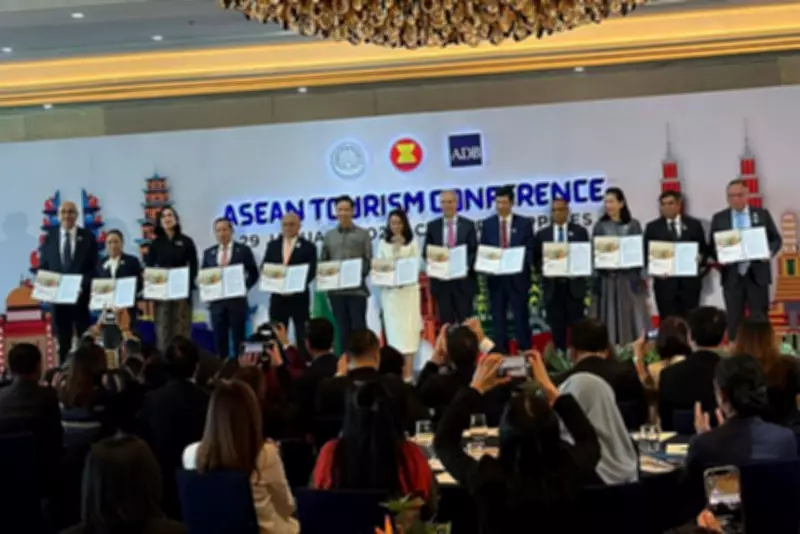
In a significant move for regional cooperation, ASEAN tourism ministers officially launched the Declaration on the Implementation of the Asean Sectoral Plan 2026–2030 on Thursday, January 29, 2026. This pivotal event took place during the Asean Tourism Conference, marking a renewed commitment to deeper tourism collaboration and long-term development across Southeast Asia.
Philippines Takes Lead Role in Coordinating Ambitious Roadmap
Spearheaded by the Philippines as the lead country coordinator, the ATSP 2026–2030 outlines ASEAN's collective vision for transforming the tourism industry. The plan focuses on creating a more sustainable, inclusive, and competitive sector that can thrive in the coming years.
Five Priority Areas Anchor the Tourism Strategy
The roadmap is firmly anchored on five key priority areas designed to drive progress:

- Resilient Tourism: Building capacity to withstand future challenges and disruptions.
- Empowerment of the Tourism Workforce: Enhancing skills and opportunities for workers in the industry.
- Accessible and Seamless Travel: Improving connectivity and ease of movement for tourists.
- Digital Tourism: Leveraging technology to innovate and enhance visitor experiences.
- Product, Market, and Sustainable Tourism Diversification: Expanding offerings and promoting eco-friendly practices.
Measuring Success Through Key Performance Indicators
Progress under the ATSP 2026–2030 will be rigorously measured using specific key performance indicators. These metrics include growth in international arrivals, tourism receipts, per-visitor spending, and the share of intra-Asean travel. These benchmarks will serve as vital tools to assess the region's competitiveness and its steady advancement toward the broader Asean Vision 2045.
Projected Growth and Ambitious Targets for Southeast Asia
Southeast Asia is projected to welcome an impressive 201 million international arrivals by 2030. This represents a substantial 51 percent increase from 2025 levels, translating to an average annual growth rate of 8.7 percent. Notably, this rate slightly exceeds the pre-pandemic average of 8.3 percent recorded from 2009 to 2019, indicating strong recovery and future potential.
The plan sets forth ambitious targets to guide this growth:
- Achieve at least 12 percent annual growth in intra-Asean arrivals.
- Sustain growth in tourism receipts from a baseline of $132 billion.
- Increase per-visitor spending from the current average of $1,085.
- Boost intra-Asean travel to account for 40–45 percent of total arrivals.
This comprehensive strategy underscores ASEAN's dedication to fostering a robust and forward-looking tourism ecosystem, with the Philippines playing a central role in its coordination and implementation.