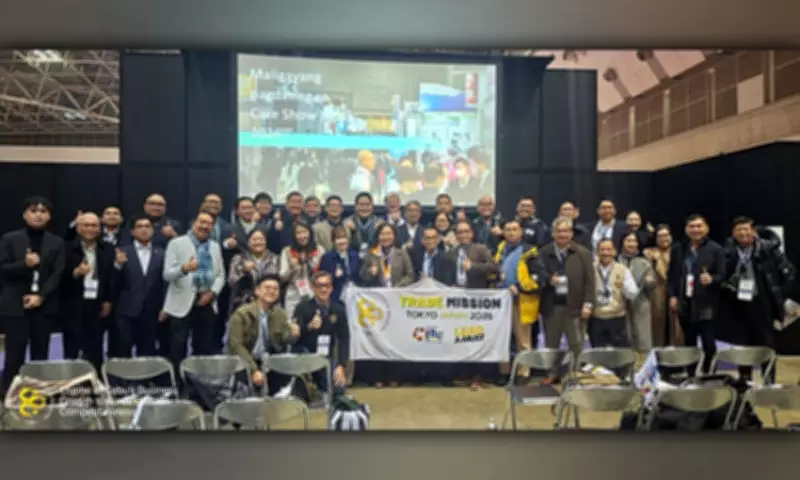
Cebu Leaders Unite in Tokyo to Strengthen Japan Ties Through Strategic Trade Mission
A 45-member delegation from Cebu, comprising top business executives and senior government officials, has arrived in Tokyo, Japan, for a comprehensive three-day trade and learning mission. This initiative, organized by the Cebu Chamber of Commerce and Industry (CCCI), aims to bolster bilateral relations and source innovative solutions in critical areas such as disaster resilience, healthcare innovation, and sustainable urban development. The mission, scheduled from February 25 to 27, underscores Cebu's strategic effort to deepen engagement with Japan, the Philippines' third-largest trading partner, while addressing structural vulnerabilities highlighted by recent natural disasters in the province.
Key Delegates and Public-Private Collaboration
Leading the delegation is CCCI president Jay Y. Yuvallos, who is joined by prominent figures including Cebu Governor Pamela Baricuatro, Cebu City Mayor Nestor Archival, Second District Board Member Stanley Caminero, and Fourth District Board Member Kerrie Shimura. Representatives from the Province of Cebu, Cebu City, and Lapu-Lapu City are also participating, demonstrating a robust alignment between public and private sectors. This unified approach highlights the commitment to fostering economic growth and resilience through international partnerships.
Focus on Healthcare and Disaster Mitigation
During the mission, delegates are visiting Care Show Japan 2026 to explore cutting-edge advancements in elderly care, medical technology, and digital health systems. These insights are intended to serve as potential models for enhancing Cebu's healthcare infrastructure, addressing gaps in service delivery and technological adoption. Additionally, the group is touring the Metropolitan Area Outer Underground Discharge Channel, known as the G-Cans Flood Control Facility, to study Japan's sophisticated flood diversion and disaster mitigation systems. This visit is particularly timely as Cebu grapples with ongoing challenges in flood management and climate resilience following severe flooding incidents.

Urban Development and Regional Cooperation
Urban development is another central focus, with learning sessions conducted with NTT Urban Development on topics such as transit-oriented development, mixed-use planning, and resilient infrastructure design. These discussions are viewed as essential for boosting Cebu's long-term competitiveness and sustainability. Meanwhile, efforts to strengthen chamber ties have been emphasized through meetings between CCCI leaders and Japanese counterparts, including Yuki Kawamuto and Kenjie Horie from the Japan Chamber of Commerce and Industry and the Tokyo Chamber of Commerce and Industry. These discussions centered on CCCI's role in the East Asia Business Council via the East Asia Connect Program, which aims to link business opportunities, enhance regional cooperation, and support cross-border partnerships between ASEAN nations and East Asia, with a specific emphasis on Japan.
Future Prospects and Economic Impact
CCCI has expressed optimism that its partnership with Japanese chambers will unlock new opportunities for collaboration, innovation, and trade. Both sides recognize the Philippines, particularly Cebu, as a region with significant potential for Japanese investors, driven by its strategic location and growing economic landscape. This mission not only reinforces existing ties but also paves the way for future initiatives that could transform Cebu's infrastructure and economic prospects, positioning it as a key player in the global market.