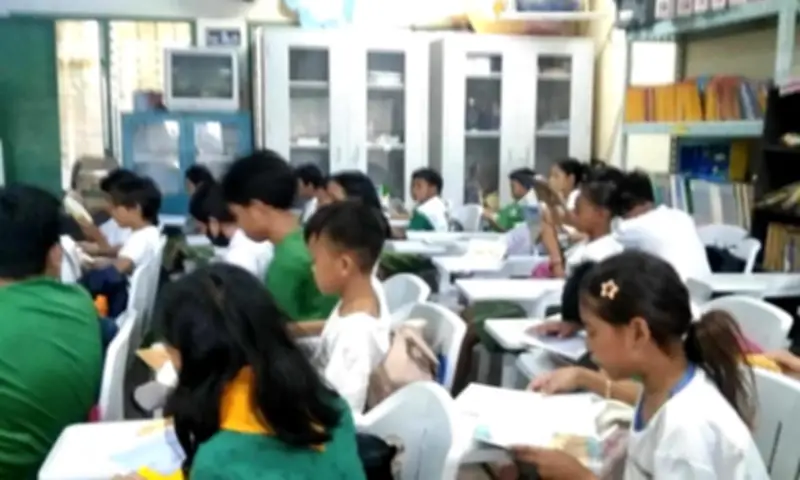
The Department of Education (DepEd) Cebu City Division reported a sharp decline in learners classified in the lowest reading category during School Year 2025-2026, though many students remain below expected proficiency levels by year-end.
Key Findings Across Key Stages
Data from DepEd Cebu City showed that Low Emerging readers in Key Stage 1 fell from 15,733 learners (37.63 percent) at the start of the school year to 5,196 learners (12.31 percent) by the end. During the same period, Grade Level readers rose from 4,925 (11.78 percent) to 12,824 (30.38 percent), while Transitioning readers increased from 12,459 to 16,091 learners.
Council Action and Resolution
The figures were included in an official response dated May 11, 2026, signed by Legal Officer Vilpa Villabas and bearing the name of Schools Division Superintendent Nimfa Bongo. The response was submitted in connection with Cebu City Council Resolution 17-3055-2026, passed on March 24 after citing a report that placed Cebu City at 46.85 percent for struggling early-grade readers. Councilor Joel Garganera authored the measure, which urged the Local School Board (LSB) to utilize more of the Special Education Fund (SEF) for para-teachers and tutors to strengthen remedial reading programs in public schools. The resolution cited Republic Act 12028, or the Academic Recovery and Accessible Learning (Aral) Program Act, which allows local government units to support learning interventions using SEF resources.

Assessment Scope and Methodology
For the assessment, Key Stage 1 covered Grades 1 to 3, Key Stage 2 covered Grades 4 to 6, and Key Stage 3 covered Grades 7 to 10. DepEd Cebu City stated it complied with DepEd Memorandum 064, series of 2025, the implementing guidelines for the Aral Program in Reading for Key Stages 1 to 3, which covers baseline and progress assessments, targeted reading remediation, and documentation of learner outcomes.
Detailed Results by Key Stage
Key Stage 1 (Grades 1-3): The number of assessed learners increased from 41,809 at the start to 42,212 by year-end. Low Emerging readers dropped from 15,733 (37.63 percent) to 5,196 (12.31 percent). High Emerging readers decreased from 3,855 (9.22 percent) to 2,491 (5.9 percent). Developing readers grew from 4,841 (11.58 percent) to 5,610 (13.29 percent). Transitioning readers rose from 12,459 (29.8 percent) to 16,091 (38.12 percent). Grade Level readers increased from 4,925 (11.78 percent) to 12,824 (30.38 percent).
Key Stage 2 (Grades 4-6): The assessed population increased from 38,987 to 39,450. Learners in the lowest group (3 Levels Down/Frustration) dropped from 13,704 (35.15 percent) to 7,472 (18.94 percent). The next group (2 Levels Down/Instructional) decreased from 16,234 (41.64 percent) to 13,535 (34.31 percent). Grade Ready/Independent learners rose from 9,049 (23.21 percent) to 18,443 (46.75 percent).
Key Stage 3 (Grades 7-10): The report listed 51,504 assessed learners at the start and 49,227 at year-end. The lowest group (3 Levels Down/Frustration) decreased from 23,094 (44.84 percent) to 8,502 (17.27 percent). The second group (2 Levels Down/Instructional) fell from 19,442 (37.75 percent) to 14,369 (29.19 percent). Independent readers rose from 8,967 (17.41 percent) to 26,356 (53.54 percent).

Next Steps and Community Involvement
Nestor Arandia, education program supervisor for English and division Aral focal person, prepared the data interpretation and summary. The Curriculum Implementation Division report showed measurable gains in reading proficiency across all key stages but noted that some learners remain in struggling categories and require sustained intervention. The council resolution, based on Edcom 2's LGU Playbook, highlighted Cebu City's 46.85 percent struggling reader rate and urged the LSB to explore SEF resources for hiring para-teachers and expanding remedial programs. It also called on higher education institutions to support literacy through community reading centers and volunteer tutoring. The City Council has called for stronger community-based interventions, including weekend reading sessions and after-class tutorials at the barangay level, with support from retired teachers and senior citizens. DepEd Cebu City emphasized that sustained support from schools, local governments, parents, and community stakeholders is needed to help struggling learners catch up and achieve grade-level reading proficiency.
Glossary of Reading Levels
- 3 Levels Down: Learners performing far below their grade level; unable to decode most words and showing very limited comprehension.
- 2 Levels Down: Learners reading below grade level, with partial decoding skills but persistent fluency and comprehension gaps.
- Frustration: A level where the learner cannot read the text independently or with support; accuracy and comprehension fall below minimum thresholds.
- Instructional: A level where the learner can read a text with teacher guidance; suitable for teaching new skills but not for independent reading.
- Grade Ready: Learners who begin the year at the expected reading proficiency for their grade; able to handle grade-level texts with reasonable comprehension.
- Independent: Learners who can read accurately, fluently and with strong comprehension without assistance; the target proficiency level.