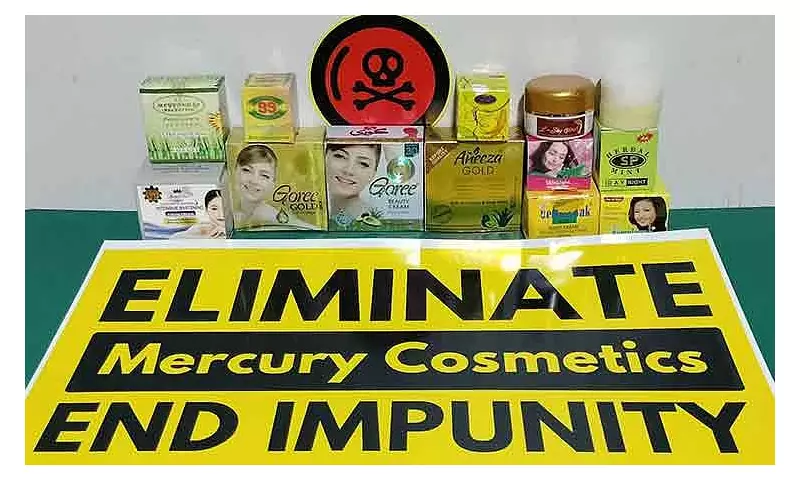
The environmental and health watchdog EcoWaste Coalition has issued a stark warning for Filipino consumers, revealing that 13 different skin lightening products sold in the market last year were found to contain dangerous levels of mercury.
Banned Neurotoxin Found in Beauty Creams
In a recent announcement from Quezon City, the coalition disclosed its findings from 2025, identifying a baker's dozen of facial creams contaminated with mercury. This heavy metal is a potent neurotoxin globally banned in cosmetics under the international Minamata Convention on Mercury. The treaty explicitly prohibits the manufacture, import, and export of mercury-added beauty products.
Mercury is sometimes illegally added to skin lighteners because it can inhibit the body's production of melanin, the pigment responsible for skin color. However, the health cost is severe. Exposure to mercury can cause significant damage to the brain, kidneys, and liver, alongside harming the skin. It is also linked to serious hormonal, reproductive, and neurological issues.

A Persistent Threat to Public Health
Despite clear prohibitions at international, regional, and national levels, the production and sale of these hazardous cosmetics continue. This underground trade poses a direct threat to public health and environmental safety in the Philippines. The problem persists even with ongoing regulatory and enforcement actions by the country's Food and Drug Administration (FDA).
Aileen Lucero, National Coordinator of the EcoWaste Coalition, emphasized the group's long-standing mission. "We've been monitoring the market since 2011 for mercury-contaminated skin lightening products, including many sold on e-commerce and social media platforms," Lucero stated. Their goal is to expose dangerous items, alert both regulators and consumers, and challenge racist beauty standards that promote skin whitening.
"As we begin the New Year, we urge those behind the production and trade of banned, dangerous cosmetics with mercury to halt this unethical and unlawful business," she appealed. Lucero also called on companies to end colorism in marketing and stop profiting from whitening products containing mercury and other hazardous substances.
The 2025 List of Contaminated Products
The coalition's testing in 2025 found mercury levels ranging from a high of 29,850 parts per million (ppm) to 384 ppm in products sourced from online sellers. All findings were reported to the FDA. The tainted products originated from several Asian countries:
- From Indonesia (7 products): 99 New Special Whitening Cream Racikan & Vitamin E Asli; Asli Herbal SP Herbal Mint Day Night; L-Sky Glow; Meyung Cream Day & Night (white and yellow); Skin Light Whitening Cream; SP UV Special Ginseng Whitening Anti-Acne; and Temulawak Beauty Whitening Cream Day & Night.
- From Malaysia (1 product): Temulawak Night Cream Beauty Whitening Cream.
- From Thailand (2 products): Aura White Night Cream Intensive Whitening Facial Cream, and Meyyong Ra (Seaweed) Extra Whitening & Facelift.
- From Pakistan (3 products): Aneeza Gold Beauty Cream (previously reported in 2024); Goree Beauty Cream with Lycopene 4 in 1 Beauty Kit; and Goree Gold 24K Beauty Cream 3 in 1 Beauty Kit.
Lucero noted that ten of these 13 mercury-laced cosmetics were later flagged by the FDA in separate advisories issued throughout 2025. This action builds on a larger January 2025 list from EcoWaste, which included 35 whitening products from China, Indonesia, Pakistan, and Thailand, many of which were subsequently banned by health authorities in the Philippines and Thailand.
The coalition is now urging other government agencies, specifically the Bureau of Customs and the Department of Trade and Industry, to provide full support to the FDA in enforcing laws that ban mercury-added cosmetics, aiming to stem the flow of these dangerous products into the Philippine market.