On paper, ten years seems like a long time. Yet for many, especially Generation Z, the year 2016 doesn't feel distant at all. It lingers in the collective memory like a moment preserved in amber, constantly revisited through throwback playlists, vintage photo filters, and fashion cycles that dominate social media feeds.
For this generation, 2016 represents a cultural high point—a digital golden age before online spaces became heavily curated, commercialized, and ruled by opaque algorithms. The year maintains a powerful hold on nostalgia, and here’s a look at the reasons why.
The Sound and Style of a Generation
The musical landscape of 2016 was overwhelmingly dominated by Electronic Dance Music (EDM). Its pulsating beats were inescapable, providing the soundtrack for festivals, road trips, house parties, and solitary late-night listening sessions. This shared sonic experience created a unique cultural unity.

Simultaneously, Justin Bieber's "Purpose" era staged one of the most remarkable pop comebacks of the 2010s. Hits like "Sorry," "Love Yourself," and "What Do You Mean?" ruled global charts. The iconic choreography for "Sorry" became a viral sensation, replicated in countless YouTube and early Instagram videos, ensuring the song lived on every screen.
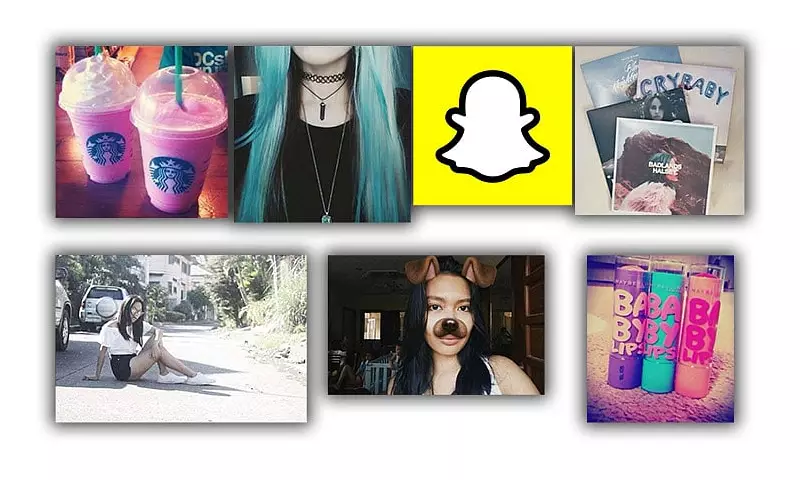
Visually, the 2016 aesthetic was defined by a specific, low-fi mood. VSCO filters with their muted tones, low contrast, grainy textures, and effortless black-and-white edits ruled social media. This style prioritized feeling over flawlessness, standing in stark contrast to today's hyper-polished and optimized content culture.
Fashion, Beauty, and Digital Playgrounds
If one accessory symbolized 2016, it was the choker. Worn by celebrities and fashion influencers alike, it became the ultimate symbol of cool, appearing in mirror selfies and festival outfits everywhere. While some declared its trend dead by year's end, it now feels merely dormant, awaiting its nostalgic revival.
The beauty world was in its full-glam phase. This was the era of dramatic contouring, bold eyebrows, intense highlighter, and matte liquid lipsticks. Inspired by YouTube beauty gurus, makeup became a form of daily entertainment and bold self-expression, a far cry from today's popular "clean girl" minimalist aesthetic.
Socially, 2016 marked the golden age of Snapchat. The platform evolved into a hub for spontaneous, imperfect storytelling. Its playful filters created shared cultural moments, and Stories felt genuinely intimate. The introduction of Memories allowed users to save moments that were meant to disappear, capturing a unique era of digital authenticity that many feel is lost.
The Lasting Cultural Footprint
The casual uniform of the time is instantly recognizable: black leggings paired with Adidas Superstars or Nike Roshe sneakers. Completed with messy buns, oversized hoodies, and an iced coffee, this athleisure look filled feeds. While trends like gorpcore have since emerged, the sight of those classic sneakers instantly triggers a wave of nostalgia.
Ultimately, 2016 resonates because it represented a sweet spot in digital culture. Social media felt more authentic and less permanent. Music, fashion, and beauty were shared, participatory, and joyfully unrefined. For Gen Z, it wasn't just a year; it was a specific feeling—a pre-algorithmic moment of collective expression that continues to define their nostalgia a full decade later.