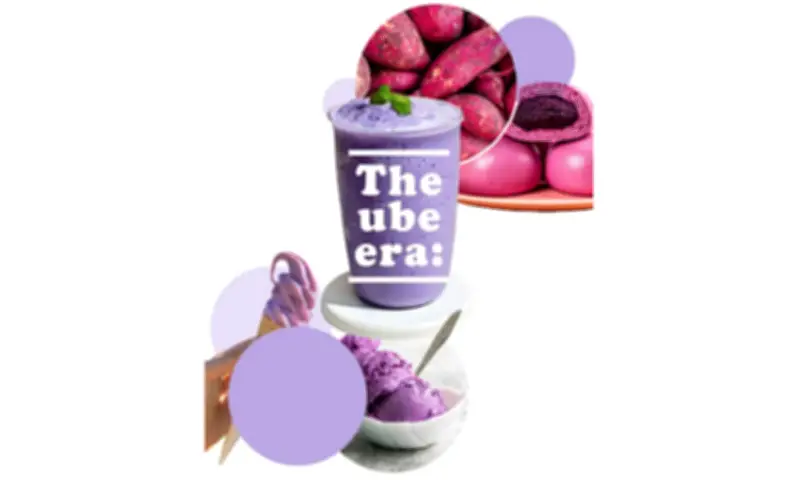
There was a time when ube simply belonged to Filipino kitchens. It sat quietly in halaya during Christmas gatherings, folded into pan de sal from neighborhood bakeries or layered into halo-halo on painfully hot afternoons. It was familiar, deeply local and rarely explained because it never had to be. For many Filipinos, ube was just there.
Ube's Global Takeover
Now, it is everywhere. From lavender-colored matcha bars in New York to 'ube cold foam' drinks and pastel desserts flooding TikTok feeds, the once-humble purple yam has become social media's latest obsession. Millions of views later, ube has transformed from cultural comfort food into visual currency, something beautiful enough to trend and photogenic enough to sell.
And with that transformation comes a growing conversation online: Is ube finally getting global recognition, or is this another case of cultural gentrification disguised as appreciation?

The Term 'Ube Gentrification'
The term 'ube gentrification' has increasingly appeared across social media platforms, particularly among younger Filipinos watching global brands repackage traditional flavors into curated aesthetics. The critique is less about visibility and more about erasure. Many viral posts celebrate ube as a 'new discovery' without acknowledging its Filipino roots, flattening decades of culinary heritage into a trendy color palette.
In many ways, ube's rise reflects the internet's larger obsession with aesthetic food culture. Algorithms reward color, novelty and visual softness and ube delivers all three. Its vibrant purple hue feels tailor-made for Instagram carousels and TikTok recipes. But somewhere between the flat lays and latte art, the cultural context often disappears.
Struggle for Mainstream Recognition
What makes the conversation emotionally charged is that Filipino food has historically struggled for mainstream recognition compared to other Asian cuisines. For years, dishes were labeled 'too heavy,' 'too unfamiliar' or 'not visually appealing enough' for Western audiences. Suddenly, the same culture once overlooked is now being mined for aesthetics.
This creates an uncomfortable contradiction: Filipinos are proud to see ube appreciated globally, yet wary of seeing it diluted into trend culture. Social media has also intensified the divide between authenticity and accessibility. Traditional ube desserts are rich, earthy and subtle. Not always the neon-purple sugar bombs currently dominating influencer feeds. Online, however, exaggeration sells. The brighter the purple, the more likely it is to go viral.
Opportunities Amidst the Debate
Still, the ube boom has also opened doors. More Filipino-owned cafés, bakers and creators are finding audiences eager to learn about the ingredient's origins. Conversations about ube often lead people toward halo-halo, leche flan, ensaymada and other Filipino staples that once existed outside mainstream food conversations. Visibility, even imperfect visibility, can still create opportunity.
Perhaps that is why the debate around ube gentrification feels so layered because it is about ownership, memory and who gets credit when culture becomes profitable.
Because for Filipinos, ube was family gatherings wrapped in plastic containers after parties and the scent of halaya cooking slowly in kitchens. It was the soft sweetness of something familiar long before the algorithm discovered it. And maybe that is the real tension of the social media era: watching pieces of your culture become trendy enough for the world to consume, while hoping they do not lose the people and stories that gave them meaning in the first place.